
When it comes to carrots on the dining table in daily life, most people’s first reaction is their orange red crispy and sweet appearance, with a faint special aroma. Whether stir fried, stewed, or used as a side dish, they are very common. But the purple carrot with a deep purple coat is probably only seen by chance in the specialty vegetable section of fresh food platforms, and some people even think it is a “internet celebrity gimmick dish” dyed with ordinary carrots. Today, we will explain the nutritional core and eating details of purple carrots by breaking and crushing them, helping everyone eat this treasure vegetable correctly and well.
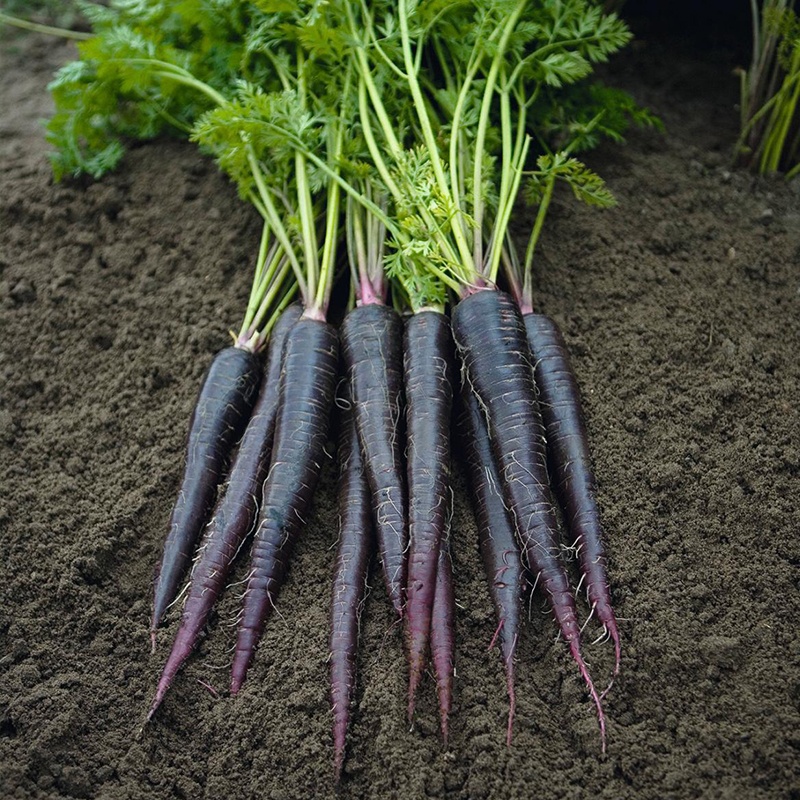
The core nutritional advantage of purple carrots is not just the addition of purple color
Many people think that the difference between purple carrots and regular orange carrots is only the color of their outer skin, but in fact, their internal nutritional structure is much richer than we imagine. The most prominent feature is the large amount of natural anthocyanins, which is also the core reason for its deep purple color. This water-soluble plant active substance is an extremely low content ingredient in many light colored fruits and vegetables. In addition to anthocyanins, purple carrots also retain the traditional advantageous nutrients of the carrot family. For example, the content of beta carotene is even about 1.5 times higher than that of common orange red carrots. After entering the human body, it can be smoothly converted into vitamin A, which has a clear positive effect on the maintenance of the eye mucosa.
In addition, purple carrots are also rich in dietary fiber, potassium, a small amount of B vitamins, and natural flavonoids. The calorie content of 100 grams of edible portion is less than 40 calories, and the fat content is almost negligible. Whether you are a weight control person or someone who pursues a light diet, you can include it in your daily food list. Many people are concerned that purple vegetables are genetically modified products. Here, it can also be clearly stated that purple carrots are a naturally selected type of carrot. Native purple carrot varieties have been circulating for many years, so there is no need to worry about genetically modified safety issues
Eating purple carrots regularly in daily life will bring you tangible benefits
Let’s start with eye care, which everyone is most concerned about. Nowadays, whether it’s office workers who spend more than 8 hours a day in front of the screen or students who spend long hours reading and taking online classes, their eyes are prone to fatigue such as dryness, soreness, and photophobia. The vitamin A converted from β – carotene in purple carrots can help maintain normal metabolism of the conjunctiva and cornea, reduce the foreign body sensation caused by dry mucosa, while anthocyanins can help promote microvascular circulation around the eyes, bringing more abundant nutrients to eye tissues. The combination of these two nutrients provides a more comprehensive eye protection effect than ordinary carrots.
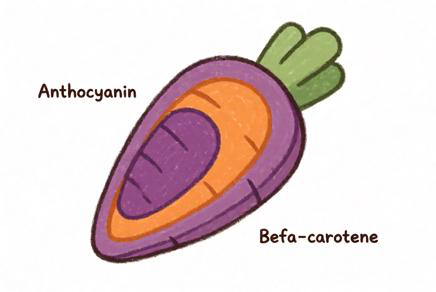
Then there is the protective effect against free radicals. Anthocyanins themselves are recognized as strong antioxidants that can help eliminate excess free radicals produced by metabolic processes in the body, reduce the probability of normal cells being damaged by oxidation, and maintain a moderate intake daily. This has a positive impact on the stability of the skin and the maintenance of the body’s metabolic status. Many friends have reported that after eating purple carrots continuously for a period of time, the skin’s tendency to darken and turn yellow during seasonal changes has been slightly alleviated, which is the result of the continuous action of active substances.
For people with unstable intestinal conditions, the ratio of soluble and insoluble dietary fiber in purple carrots is very friendly. It does not stimulate the intestines and stomach like some coarse fiber vegetables, but can gently promote intestinal peristalsis and help maintain the activity of intestinal flora. It is very suitable for office workers who sit still and have irregular bowel movements for daily consumption. And it comes with a light sweet taste, without any strange astringency, and its acceptance is much higher than many niche vegetables �
Purple carrots have high nutritional value, rich in anthocyanins, vitamin C, carotenoids, and various minerals. In addition, it can also be used as a natural coloring agent. The database shows a rapid increase in products containing purple carrot powder in the global food and beverage category.
Purple carrot powder is made from purple carrots as raw materials, which are dried and crushed. Rich in anthocyanins. The product presents a purple red to purple powder with a unique aroma of purple carrots; Stable at pH<4.0. It has the characteristics of good water solubility and stability, and can be applied in various fields such as noodle products, frozen drinks, baked goods, beverages, jelly, etc.
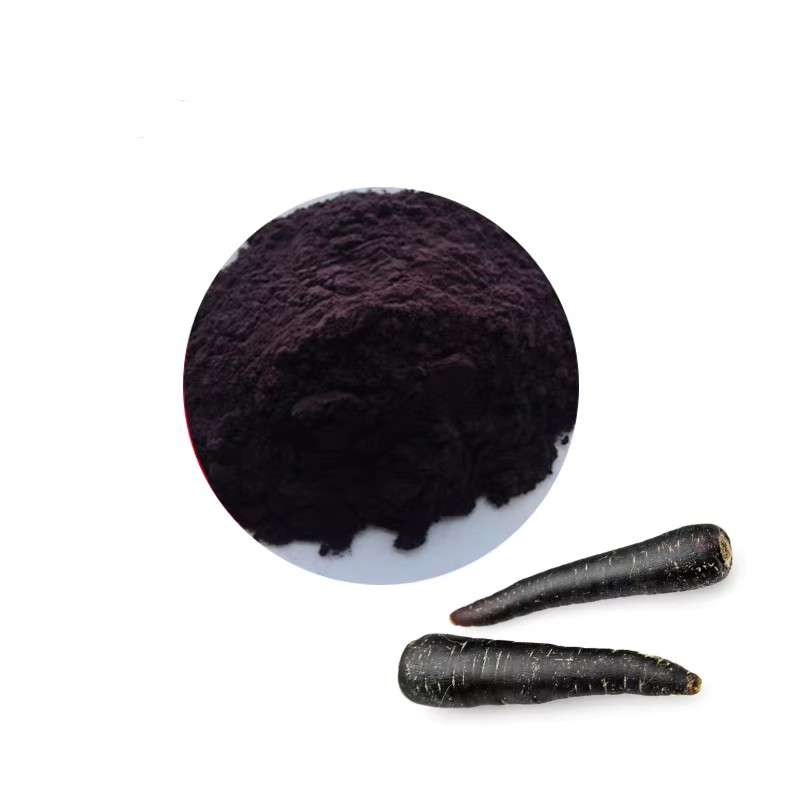
The active category of soft candy containing purple carrot powder has the highest proportion in the global food and beverage market, with its application in biscuits and chocolate showing a rapid upward trend.
Although purple carrots are nutritionally friendly, not everyone is suitable for unlimited consumption in large quantities. Firstly, people who are allergic to ingredients from the Umbelliferae family should be particularly cautious. Purple carrots belong to the Umbelliferae family. If you eat celery, parsley, or regular carrots regularly, you may experience allergic reactions such as itching and rash in the mouth.
When trying purple carrots for the first time, be sure to eat a small amount first to confirm that there are no allergic symptoms before consuming them normally. Do not eat more than half a stem at once to avoid discomfort.
Secondly, people with severe carotenoids should control their intake. Although this condition does not cause substantial harm to the body, consuming a large amount of all carrot based foods in a short period of time can cause yellowing of the stratum corneum on the surface of the skin, making them look like “little yellow people”.

Although it can disappear on its own within about a week after stopping intake, there is no need to cause unnecessary trouble to oneself. It is sufficient to eat about half a stem per day, and there is no need to eat several stems at once to supplement nutrition.
For people with particularly weak gastrointestinal function and easy diarrhea, do not eat large amounts of raw purple carrots. The dietary fiber in raw ingredients will accelerate intestinal peristalsis. Eating too much in the presence of diarrhea may worsen the discomfort symptoms of diarrhea. These people can choose to fully cook purple carrots and eat them in small amounts, which can provide nutrients without causing additional stimulation to the gastrointestinal tract. Finally, I would like to remind everyone that purple carrots are essentially daily vegetables and cannot replace the therapeutic effects of any medication. When there is a clear discomfort in the body, it is important to seek medical attention in a timely manner and not rely on eating vegetables to solve disease problems .
In general, purple carrots are a highly nutritious and characteristic home cooked vegetable. There is no exaggerated “miracle effect”, but long-term moderate consumption can indeed bring a lot of benefits to the nutritional supplement of daily diet. When shopping in the supermarket, you can definitely buy two to try. Changing the type of ingredient to supplement nutrition can also add a different and beautiful color to the dining table at home.
Contact:
Serena Zhao
WhatsApp&WeChat :+86-18009288101
E-mail:export3@xarainbow.com
Post time: Nov-06-2026