
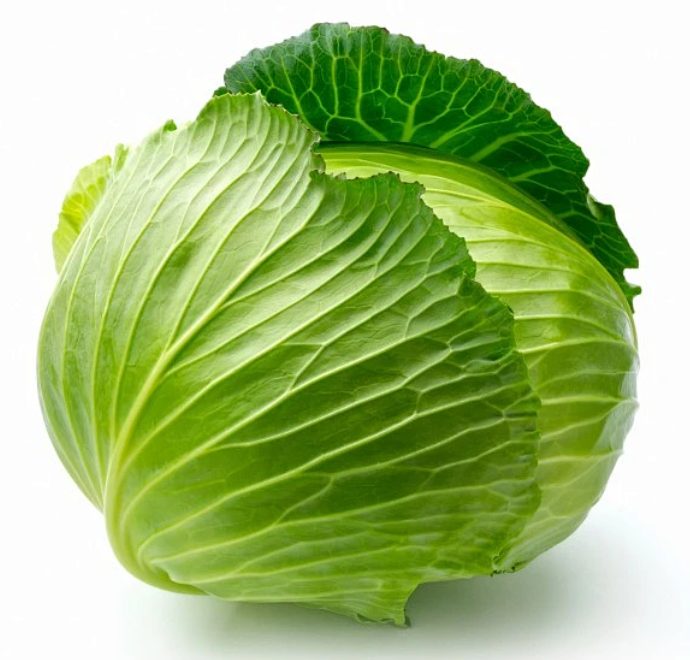
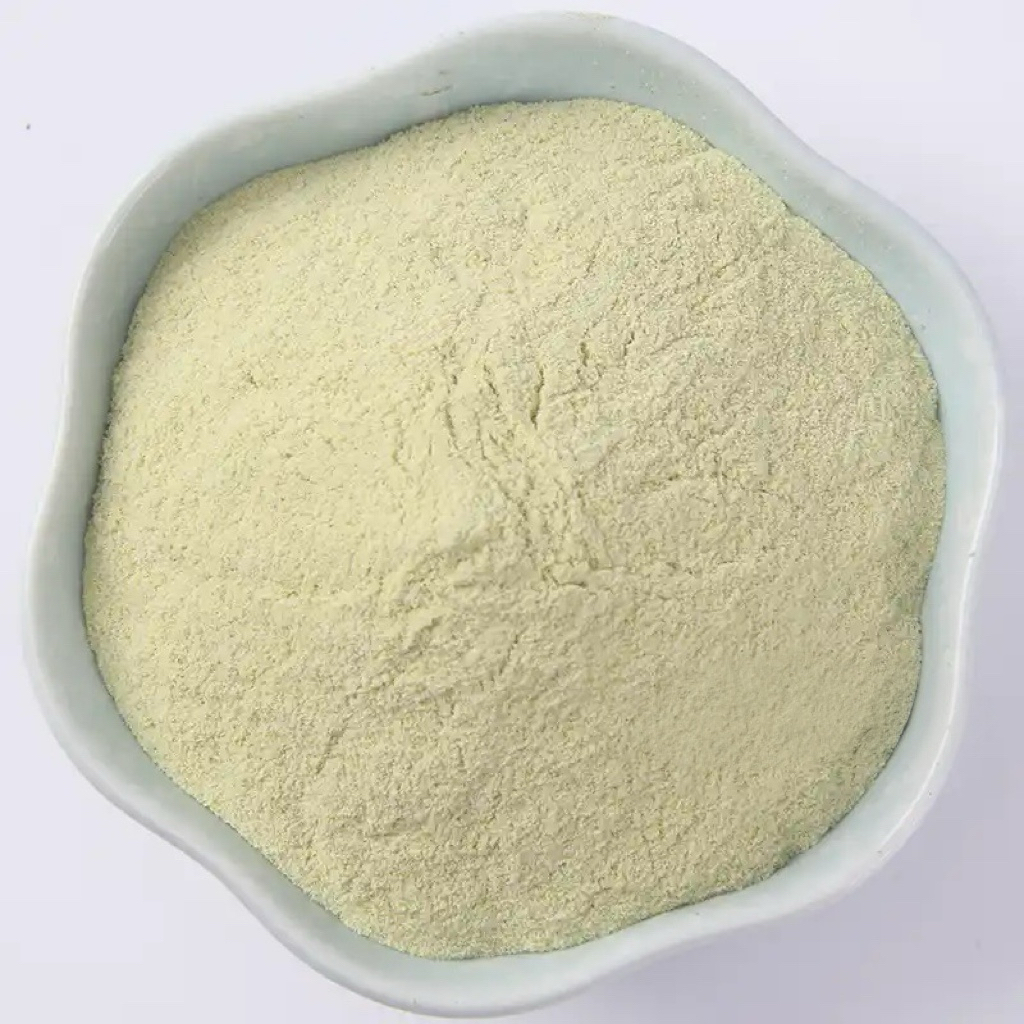
Cabbage powder is a dried, powdered supplement made from grinding dehydrated cabbage—typically green cabbage, red cabbage, or savoy cabbage—into a fine, easy-to-use form. It preserves most of the vegetable’s nutrients while extending its shelf life and simplifying its use in cooking and wellness routines.
 Here are its key features and uses:
1.Nutritional profile
Cabbage powder retains core nutrients from fresh cabbage, including dietary fiber, vitamin C, vitamin K, vitamin B6, folate, and minerals like potassium and manganese. It also contains antioxidants (e.g., anthocyanins in red cabbage) and glucosinolates—compounds linked to potential anti-inflammatory and detox-supporting benefits. Dehydration may slightly reduce some water-soluble vitamins (like vitamin C), but the concentration of fiber and minerals becomes more concentrated per gram.
2.Production process
Fresh cabbage is cleaned, chopped, and then dehydrated using methods like air-drying, freeze-drying, or low-temperature oven drying. Freeze-drying is preferred for preserving more nutrients and flavor. Once fully dry, the cabbage is ground into a fine powder, which is then packaged for sale.
3.Common uses
Cooking and baking: It can be added to soups, stews, sauces, smoothies, or baked goods (like bread, muffins, or energy bars) to boost fiber and nutrient content without altering the texture too much. It adds a mild, earthy cabbage flavor.
Wellness supplements: Many people use it as a convenient way to increase vegetable intake, especially if they dislike the taste or texture of fresh cabbage. It’s often included in green superfood blends.
Gluten-free and low-carb recipes: It can act as a binder or thickener in place of flour in some recipes, making it useful for keto or gluten-free diets.
4.Notes:
It’s low in calories and carbs, making it a good addition to weight-management diets.
Like fresh cabbage, it may cause mild bloating or gas in some people (due to its fiber content), so it’s best to start with small doses.
1.can cabbage powder replace fresh cabbage in cooking?
Cabbage powder can partially replace fresh cabbage in cooking, but it cannot be a perfect substitute—it works best in specific recipes where texture is less critical and nutrient/ flavor boost is the goal. Here’s a detailed breakdown:
Scenarios where cabbage powder works well
1.Soups, stews, and saucesAdd cabbage powder to broths, creamy soups, or tomato-based sauces to infuse a mild cabbage flavor and boost fiber/vitamin content. Unlike fresh cabbage, it dissolves or blends easily, thickening the liquid slightly without adding chunks. It’s ideal for smooth soups or sauces where you don’t want visible vegetable pieces.
2.Baked goods and snacksMix it into bread dough, muffin batter, energy bars, or crackers. It adds nutrients without overpowering the recipe’s flavor, and its fine texture won’t disrupt the baked product’s consistency (unlike chopped fresh cabbage, which could make baked goods soggy).
3.Smoothies and shakesThis is one of the most common uses—stir cabbage powder into fruit/vegetable smoothies to increase your veggie intake without the bulky texture or strong taste of fresh cabbage. It pairs well with sweet ingredients like bananas or berries.
4.Meatballs, patties, or bindersUse it as a nutrient-rich binder in meatballs, veggie burgers, or meatloaf. It helps hold the mixture together while adding fiber, and it won’t shrink or release water like fresh cabbage (which can make patties fall apart during cooking).
Scenarios where fresh cabbage is better
1.Dishes that rely on cabbage textureFresh cabbage is irreplaceable for recipes like coleslaw, stir-fries, sauerkraut, or roasted cabbage wedges. These dishes depend on the crisp, crunchy, or tender-crisp texture of fresh cabbage—cabbage powder can’t replicate this mouthfeel.
2.Raw preparationsYou can’t use cabbage powder in raw salads or slaws, as it will turn into a pasty mess when mixed with dressings, rather than adding the fresh, crisp bite of shredded cabbage.
3.Recipes needing strong cabbage flavorCabbage powder has a more muted, earthy flavor compared to fresh cabbage. If a dish (like kimchi or cabbage rolls) calls for a bold, fresh cabbage taste, fresh cabbage is the better choice.
Key tips for substitution:
Ratio guideline: Use 1–2 teaspoons of cabbage powder to replace 1 cup of chopped fresh cabbage for flavor/nutrient substitution (adjust based on how strong you want the cabbage taste).
Hydrate first if needed: For some recipes, mix the powder with a small amount of water to form a paste before adding—this helps it integrate more evenly.
Start small: Cabbage powder can have a concentrated earthy flavor; add a little at a time to avoid overpowering your dish.
If you are interested in our product or need samples to try, please do not hesitate to contact me at any time.
Email:sales2@xarainbow.com
Mobile:0086 157 6920 4175(WhatsApp)
Fax:0086-29-8111 6693
Post time: Dec-29-2025