
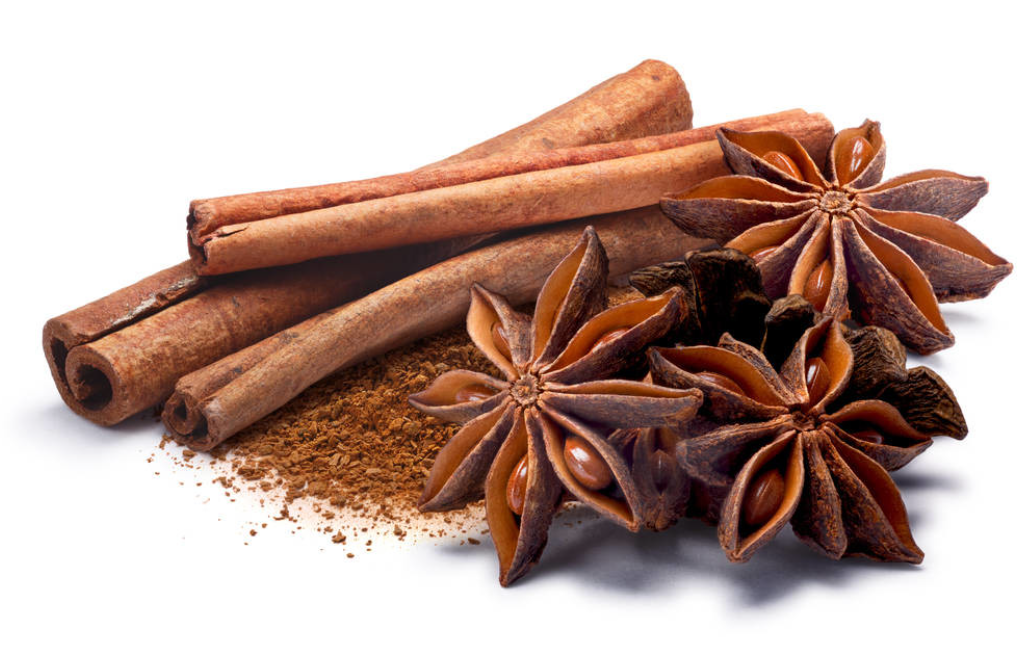
 Cinnamon is a spice derived from the dried bark of various trees in the Cinnamomum genus of the Lauraceae family. Here is a detailed introduction:
Botanical Characteristics: Cinnamon trees are evergreen medium-sized arbor plants. The bark is gray-brown, rough, and the old bark can be up to 13 mm thick. The leaves are long elliptical or lanceolate, with a glossy green upper surface and a pale green lower surface covered with yellow short villi. The flowers are yellow and conical, and the fruits are elliptical, turning black-purple when ripe.
Distribution: It is mainly distributed in tropical and subtropical regions. In China, it is mainly produced in Guangdong and Guangxi, with a small amount in Yunnan, Taiwan, Fujian and other places. It is also artificially cultivated in Southeast Asian countries such as Laos and Vietnam.
1.The uses of cinnamon:
1.Culinary Use: Cinnamon has a unique and strong aroma, with a sweet and spicy taste. It is an important spice, widely used in various cuisines, such as making pastries, bread, desserts, and also used in the preparation of some savory dishes and stews to enhance flavor and remove fishy smells.
2.Medicinal Use: In traditional Chinese medicine, cinnamon is pungent, sweet, and very hot, and it belongs to the kidney, spleen, heart, and liver meridians. It can tonify fire and assist yang, guide fire back to its origin, dispel cold and relieve pain, and warm and unblock meridians. Modern pharmacological studies have shown that it has various effects such as anti-bacterial, anti-inflammatory, antioxidant, blood-pressure-lowering, and blood-sugar-lowering.
3.Other Uses: Cinnamon can also be used to extract cinnamon oil, which is used in the production of perfumes, cosmetics, and other products.
2.What does cinnamon do for the body?
Cinnamon offers several potential benefits for the body, supported by both traditional medicinal practices and modern research, though it should be consumed in moderation (excessive intake may cause side effects like mouth irritation or liver stress). Here are its main effects:
1.Helps regulate blood sugar:
Modern studies suggest that compounds in cinnamon (such as cinnamaldehyde) can improve insulin sensitivity, help cells absorb glucose more effectively, and reduce post-meal blood sugar spikes. This is beneficial for people with prediabetes or type 2 diabetes, but it cannot replace medication.
2.Has anti-inflammatory and antibacterial properties:
Cinnamaldehyde also has natural anti-inflammatory effects, which may help alleviate low-grade inflammation in the body (a root cause of many chronic diseases). Additionally, cinnamon exhibits antibacterial and antifungal activity, which can inhibit the growth of harmful bacteria like E. coli and fungi like Candida albicans.
3.Supports heart health:
Some research indicates that cinnamon may help lower levels of total cholesterol, LDL (“bad” cholesterol) and triglycerides, while slightly raising HDL (“good” cholesterol). These changes can reduce the risk of cardiovascular diseases such as atherosclerosis.
4.Traditional medicinal effects:
In traditional Chinese medicine, cinnamon is considered a “warming” herb. It is used to tonify kidney yang, dispel internal cold, relieve pain caused by cold stagnation (e.g., abdominal pain, joint pain), and improve blood circulation to address issues like cold limbs and menstrual cramps.
1.How to use cinnamon to lose belly fat?
It’s important to clarify first: cinnamon alone cannot directly burn or eliminate belly fat. However, it can be a helpful supporting ingredient in a weight-loss plan that combines a balanced diet and regular exercise, by targeting factors that contribute to belly fat accumulation.
Here are the science-backed ways to use cinnamon to support belly fat reduction, along with practical tips:
1.Regulate blood sugar to reduce fat storage
Belly fat is closely linked to insulin resistance (high blood sugar levels prompt the body to store excess glucose as fat, especially visceral fat around the abdomen). Cinnamon improves insulin sensitivity, helping your body use glucose more efficiently instead of storing it as fat.
Practical use: Add ¼–½ teaspoon of ground cinnamon (preferably Ceylon cinnamon for safety) to warm water, green tea, or black coffee every morning. You can also mix it into oatmeal, Greek yogurt, or smoothies—these pairings are low in added sugars and help stabilize post-meal blood sugar.
2.Suppress appetite and reduce calorie intake
The warm, aromatic compounds in cinnamon can help curb cravings for sugary, high-calorie foods (a major contributor to belly fat gain). It also adds flavor to meals without extra calories, so you’re less likely to overeat.
Practical use: Sprinkle a small amount of cinnamon on roasted vegetables, grilled chicken, or quinoa. You can also make a cinnamon-infused seasoning blend (with turmeric, black pepper) for savory dishes—this adds depth of flavor without relying on high-fat sauces.
3.Boost metabolism (modestly)
Some studies suggest that cinnamon may slightly increase thermogenesis (the body’s process of burning calories to produce heat). While this effect is mild, it can add up when combined with other healthy habits.
Practical use: Brew a cinnamon tea by steeping a cinnamon stick in hot water for 5–10 minutes. Drink it before meals to give your metabolism a small lift. Avoid adding sugar or honey to the tea—this negates the calorie-saving benefit.
4.Critical Reminders:
No substitute for diet and exercise: Belly fat reduction ultimately requires a calorie deficit (burning more calories than you consume) and regular physical activity (especially strength training and cardio to target visceral fat).
Stick to safe dosages: As mentioned earlier, limit cassia cinnamon to 0.5–1g per day; Ceylon cinnamon can be up to 4g per day. Excessive intake may cause liver stress or digestive issues.
5.How much cinnamon should I consume daily?
The safe daily intake of cinnamon depends on the type of cinnamon and your individual health status, as some varieties contain coumarin (a compound that may strain the liver in large amounts). Here are the general guidelines:
Ceylon cinnamon (true cinnamon)This variety has very low coumarin levels (less than 0.05 mg per gram), so it is safer for regular consumption.
For healthy adults: 1–4 grams per day (about ½–2 teaspoons of ground cinnamon) is considered safe.
For children or people with mild health conditions: Start with a smaller amount (0.5–1 gram per day) and adjust based on tolerance.
Cassia cinnamon (the most common type sold in supermarkets)Cassia has higher coumarin levels (up to 18 mg per gram), which limits its safe intake.
For healthy adults: No more than 0.5–1 gram per day (about ¼–½ teaspoon of ground cinnamon). Exceeding this long-term may increase the risk of liver damage.
For people with liver disease, diabetes, or those taking blood-thinning medications: Consult a doctor before use, as cinnamon may interact with medications or worsen existing conditions.
Special Notes:
Pregnant or breastfeeding women should also consult a healthcare provider before adding cinnamon to their daily diet.
If you experience side effects like mouth irritation, nausea, or dizziness, reduce the amount or stop consumption immediately.
If you are interested in our product or need samples to try, please do not hesitate to contact me at any time.
Email:sales2@xarainbow.com
Mobile:0086 157 6920 4175(WhatsApp)
Fax:0086-29-8111 6693
Post time: Dec-26-2025