
Making apple powder involves selecting fresh apples, removing impurities, drying, and grinding—a process that preserves the fruit’s nutrients and flavor for long-term use. Here is a detailed, step-by-step guide for both home and small-scale commercial production:
1. Raw Material Preparation
Choose suitable apples: Opt for firm, ripe, and blemish-free apples (e.g., Granny Smith, Fuji). Avoid overripe or rotten fruits, as they can affect the powder’s taste and shelf life.
Wash thoroughly: Rinse apples under running water to remove dirt, pesticides, and wax. For commercial production, use a fruit washing machine for efficiency.
Peel, core, and slice:
At home: Peel the apples with a peeler, remove cores and seeds, then slice into thin pieces (2–3 mm thick) to speed up drying.
Commercially: Use automated peeling, coring, and slicing equipment to ensure uniform slices.
Prevent browning (optional but recommended): Immerse apple slices in a 0.5–1% citric acid solution or saltwater for 5–10 minutes, then rinse briefly. This inhibits enzymatic browning and keeps the slices pale.
2. Drying Process
Drying is the key step to reduce moisture content (to below 8%) and prevent mold growth. Two common methods are:
Method 1: Oven Drying (Home Use)
Preheat the oven to 50–60°C (122–140°F) (low temperature to retain nutrients).
Arrange apple slices in a single layer on a baking sheet lined with parchment paper, leaving gaps between slices.
Dry for 6–12 hours, flipping the slices every 2–3 hours to ensure even drying. The slices are ready when they are brittle and easy to break.
Method 2: Dehydrator Drying (Home/ Small Commercial)
Set the food dehydrator to 55–60°C (131–140°F).
Place slices on dehydrator trays and dry for 4–8 hours until completely crisp. This method is more energy-efficient and produces consistent results than oven drying.
Method 3: Freeze-Drying (Commercial Grade)
For high-quality apple powder (retains maximum flavor, color, and nutrients), use a freeze dryer:
Freeze apple slices at -40°C to -30°C until fully frozen.
Use a freeze dryer to sublimate the ice directly into vapor under low pressure.
The resulting freeze-dried apple slices are light, porous, and ideal for grinding into fine powder.
3. Grinding and Sieving
Grind the dried slices: Put the cooled, brittle apple slices into a high-speed blender, food processor, or commercial grinder. Grind in short bursts to avoid overheating (heat can cause discoloration).
Sieve for uniformity: Pass the ground powder through a 80–120 mesh sieve to remove coarse particles, resulting in a smooth, fine apple powder. Collect the coarse residue and re-grind it for reuse.
4. Packaging and Storage
Cool the powder: Let the freshly ground powder cool to room temperature to prevent condensation inside the packaging.
Package properly: Use airtight, moisture-proof containers (e.g., vacuum-sealed bags, glass jars with rubber gaskets). For commercial use, add a desiccant packet to absorb residual moisture.
Store in a cool, dry place: Keep the powder away from direct sunlight and high humidity. Properly stored apple powder can last 6–12 months.
Tips for Better Quality
For a sweeter powder, use ripe, sweet apple varieties; for a tart flavor, choose acidic apples.
Freeze-dried apple powder has the best solubility and is ideal for beverages, baking, and nutritional supplements.
For commercial production, conduct microbial testing to ensure the powder meets food safety standards.
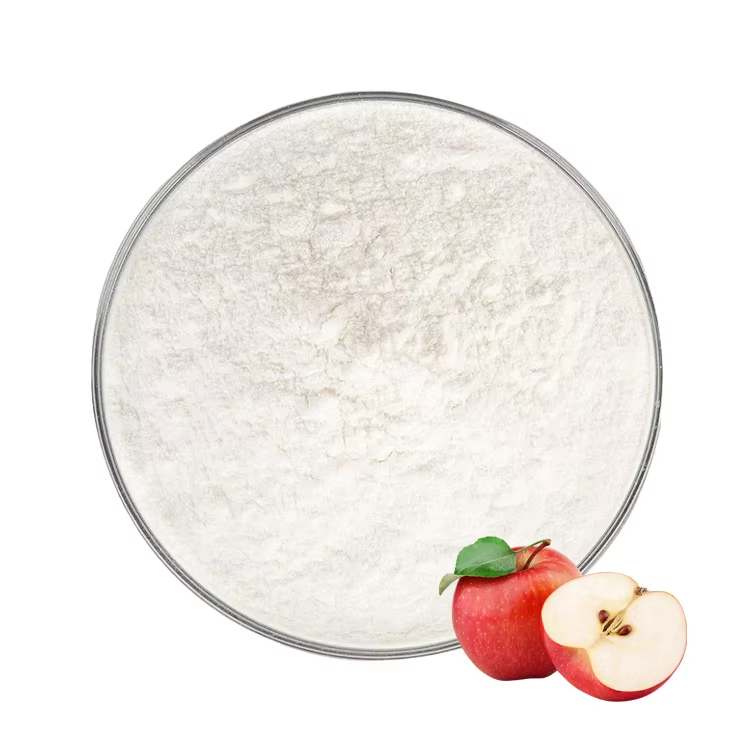
Does apple powder taste like apples?
Yes, apple powder tastes like apples—but the intensity, sweetness, and freshness of the flavor depend on the apples used and the drying method.
Basic drying methods (oven/dehydrator): Apple powder made this way has a concentrated apple flavor. It’s slightly sweeter and more “cooked” than fresh apples, since low-temperature drying concentrates natural sugars. The taste leans toward dried apple rings or applesauce, with a mellow, fruity note.
Freeze-drying method: This is the best way to preserve the fresh, crisp flavor of raw apples. Freeze-drying removes moisture without high heat, so the powder retains the bright, tart-sweet taste of fresh apples, with minimal loss of natural flavor compounds. It’s the closest to biting into a fresh apple, in powdered form.
Other factors also affect the taste:
Apple variety: Sweet varieties (Fuji, Honeycrisp) make sweet, mild powder; tart varieties (Granny Smith) produce tangy, zesty powder.
Processing steps: Skipping peeling results in a slightly earthier, fiber-rich taste; preventing browning (with citric acid) keeps the flavor bright instead of dull or oxidized.
In short, apple powder is essentially the concentrated flavor of apples in a dry, easy-to-use form—perfect for adding apple notes to baked goods, smoothies, or food formulations.
What is dried apple powder used for?
Yes, apple powder tastes like apples—but the intensity, sweetness, and freshness of the flavor depend on the apples used and the drying method.
Basic drying methods (oven/dehydrator): Apple powder made this way has a concentrated apple flavor. It’s slightly sweeter and more “cooked” than fresh apples, since low-temperature drying concentrates natural sugars. The taste leans toward dried apple rings or applesauce, with a mellow, fruity note.
Freeze-drying method: This is the best way to preserve the fresh, crisp flavor of raw apples. Freeze-drying removes moisture without high heat, so the powder retains the bright, tart-sweet taste of fresh apples, with minimal loss of natural flavor compounds. It’s the closest to biting into a fresh apple, in powdered form.
Other factors also affect the taste:
Apple variety: Sweet varieties (Fuji, Honeycrisp) make sweet, mild powder; tart varieties (Granny Smith) produce tangy, zesty powder.
Processing steps: Skipping peeling results in a slightly earthier, fiber-rich taste; preventing browning (with citric acid) keeps the flavor bright instead of dull or oxidized.
In short, apple powder is essentially the concentrated flavor of apples in a dry, easy-to-use form—perfect for adding apple notes to baked goods, smoothies, or food formulations.
Would you like a sample marketing snippet highlighting the authentic apple flavor of freeze-dried apple powder for your product listings?
What is dried apple powder used for?
Dried apple powder is a versatile, shelf-stable ingredient with concentrated apple flavor and nutrients, widely used across food, beverage, baking, and supplement industries, as well as for home cooking. Here are its key applications:
1. Baking & Confectionery
It adds natural apple flavor, sweetness, and color to baked goods without extra liquid, making it ideal for:
Cookies, cakes, muffins, and bread: Replaces part of the flour or sugar to boost fruity notes (e.g., apple cinnamon cookies, spice cakes).
Pastries and fillings: Enhances the taste of turnovers, dumplings, or pie fillings; also works as a coating for donuts or pastries.
Confections: Used in fruit candies, gummies, chocolate fillings, or protein bars to add apple sweetness and improve texture.
2. Beverage Formulation
A popular additive for drinks to infuse apple flavor and nutritional value:
Smoothies and shakes: Mixes easily to add natural sweetness and fiber, no need for fresh apple chunks.
Instant drinks: Blended into powdered mixes (e.g., apple cider, fruit-flavored milk drinks, or sports drinks) for quick dissolving and consistent flavor.
Craft beverages: Added to homemade cider, beer, or kombucha to enhance apple aroma and depth.
3. Nutritional Supplements & Functional Foods
Rich in fiber, vitamins (vitamin C), and antioxidants, it’s a common ingredient in:
Protein powders, meal replacement shakes, and cereal bars: Boosts nutritional content and adds a pleasant fruity taste to mask bland flavors of supplements.
Baby food and toddler snacks: A gentle, natural flavoring for purees or finger foods; easy to digest and nutrient-dense.
Dietary fiber supplements: Its high pectin content supports digestive health.
4. Savory Dishes & Seasonings
Surprisingly versatile in savory recipes:
Sauces and marinades: Adds a subtle sweet-tart balance to BBQ sauces, salad dressings, or meat marinades (works well with pork, chicken, or tofu).
Seasoning blends: Mixed with spices like cinnamon, nutmeg, or ginger for a homemade apple spice rub, perfect for roasted veggies or grilled meats.
5. Food Industry Applications (Commercial Use)
Natural colorant: Replaces artificial red/yellow dyes in products like yogurt, ice cream, or snack mixes to add a pale golden or pink hue.
Binder and texturizer: Used in processed foods (e.g., veggie burgers, meat analogs) to improve binding and moisture retention.
Pet food: Added to dog/cat treats to enhance palatability with natural fruit flavor.
6. Home & DIY Uses
Facial masks: Mixed with honey or yogurt for a gentle, exfoliating DIY mask (thanks to natural acids and fiber).
Flavor booster for oatmeal, yogurt, or cereal: Sprinkled on top for a quick, sweet apple upgrade.
Can you buy apple powder?
Yes, you can easily buy apple powder—both for home use (retail sizes) and commercial purposes (bulk quantities)—from various offline and online channels, with options like spray-dried, freeze-dried, organic, or conventional variants. Below is a detailed breakdown of where to buy and what to consider:
Where to Buy Apple Powder
1. Online Retailers (Home Use)
General e-commerce platforms: Amazon, Walmart, and Target offer small packages (e.g., 4–16 oz) from brands like Food to Live, Now Foods, or Anthony’s, with organic/non-GMO options and quick delivery.
Health & specialty stores online: Thrive Market, iHerb, or Vitacost stock organic, unsweetened, or freeze-dried apple powder for health-focused buyers.
Local grocery delivery: Instacart or Shipt may carry it via stores like Whole Foods or Sprouts Farmers Market.
2. Offline Stores (Home Use)
Health food stores: Whole Foods, Sprouts, or local co-ops often sell it in the bulk bins or supplement aisles.
Specialty baking stores: Stores like Sur La Table may stock it for culinary use.
International/Asian markets: Some carry fruit powders for traditional or modern recipes.
3. Bulk & Commercial Suppliers (Business Use)
B2B platforms: Alibaba, 1688.com, or Made-in-China connect buyers with manufacturers for bulk orders (MOQ typically 1–25 kg), with spray-dried (cost-effective) or freeze-dried (premium) options.
Ingredient suppliers: Companies like Medikonda Nutrients, North of 49 Naturals, or local food ingredient distributors offer certified (USDA Organic, Non-GMO) bulk apple powder for food production, supplements, or beverages.
Local food ingredient wholesalers: Regional suppliers may provide smaller bulk quantities (e.g., 25–50 kg) with faster delivery and lower shipping costs.
Contact:Tony Zhao
Mobile:+86-15291846514
WhatsApp:+86-15291846514
E-mail:sales1@xarainbow.com
Post time: Dec-22-2025