
On the path of pursuing a healthy lifestyle and good physical fitness, protein powder has become a powerful assistant for many people. Among them, soy protein powder and pea protein powder attract people with different needs with their unique charm. But facing these two popular products, how to make a choice has made many friends difficult. Below, we will provide a detailed analysis to help you make the right choice.
Soy protein powder: a representative of traditional plant protein
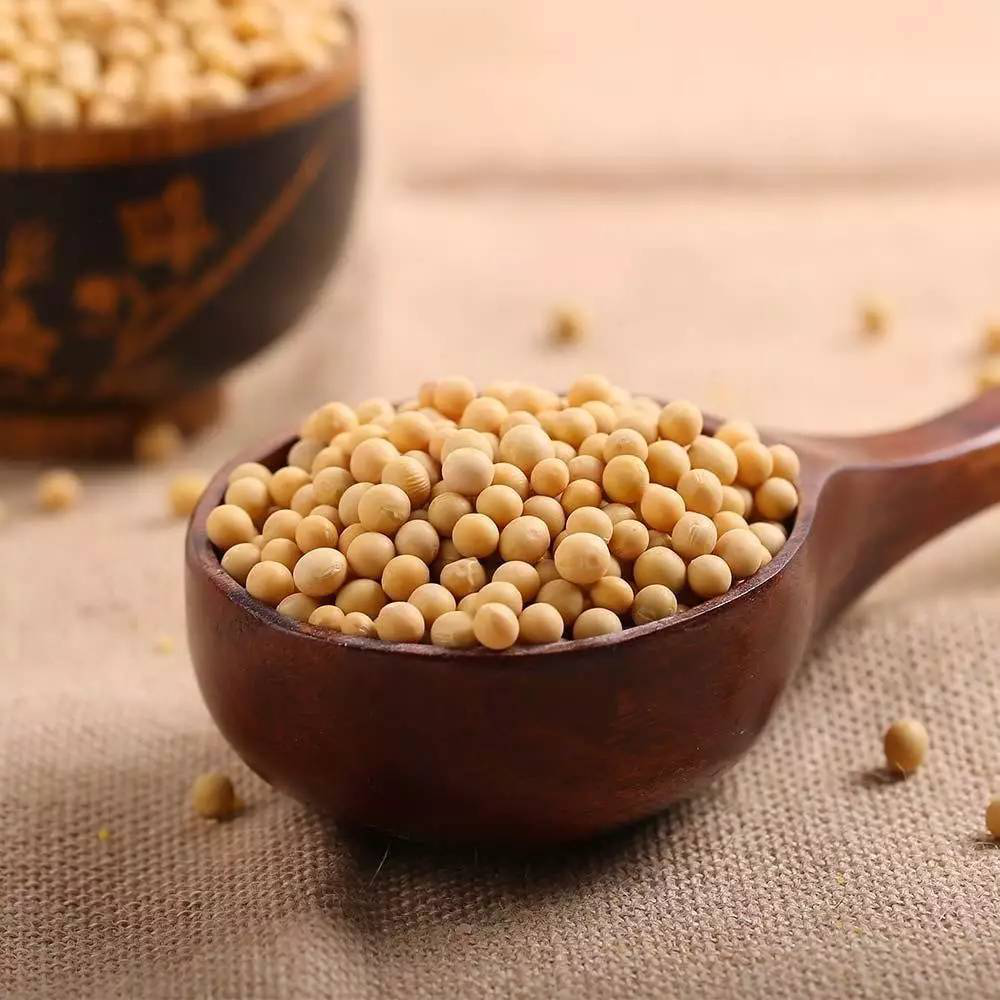
Soy protein powder can be regarded as the “elder brother” of plant protein powder, which is extracted from soybeans through advanced technology. From a nutritional perspective, its protein content is quite considerable, usually between 50% and 80%. Moreover, soy protein belongs to complete protein and contains 8 essential amino acids for the human body, which performs excellently in meeting the daily protein needs of the human body. For vegetarians, it is difficult to obtain protein from meat in their daily diet, so soy protein powder has become a high-quality choice for supplementing protein.
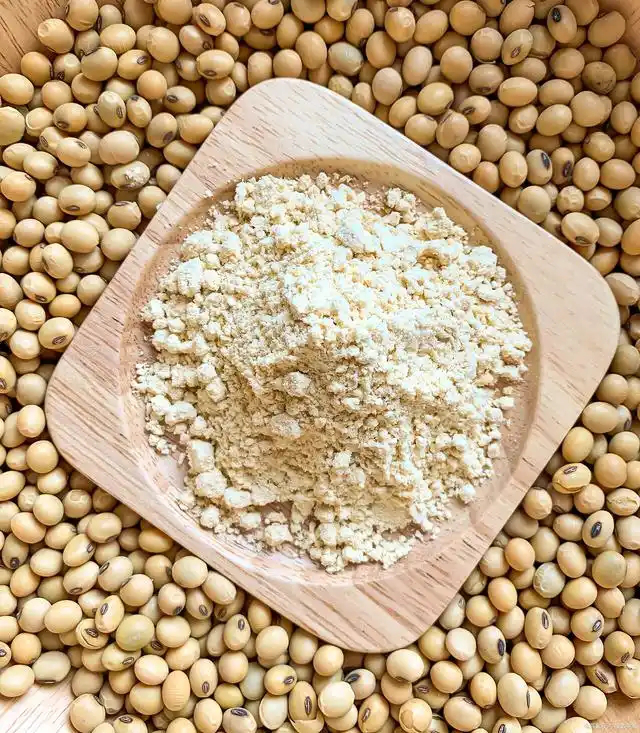
Soy protein powder also has a positive effect in reducing cholesterol. The plant sterols in it can interfere with cholesterol absorption, thereby helping to lower cholesterol levels in the blood, which is beneficial for cardiovascular health. In addition, soybean protein powder has a relatively affordable price and significant cost-effectiveness advantage, which is also one of the important reasons why it is deeply loved by the public.
However, soy protein powder is not flawless. Some people may have allergic reactions to soybeans, and may experience discomfort symptoms such as rash and shortness of breath after consumption. Moreover, soy protein powder contains a certain amount of soy oligosaccharides, which may cause digestive problems such as bloating and flatulence for people with sensitive intestines.
Pea protein powder: the rise of emerging plant proteins
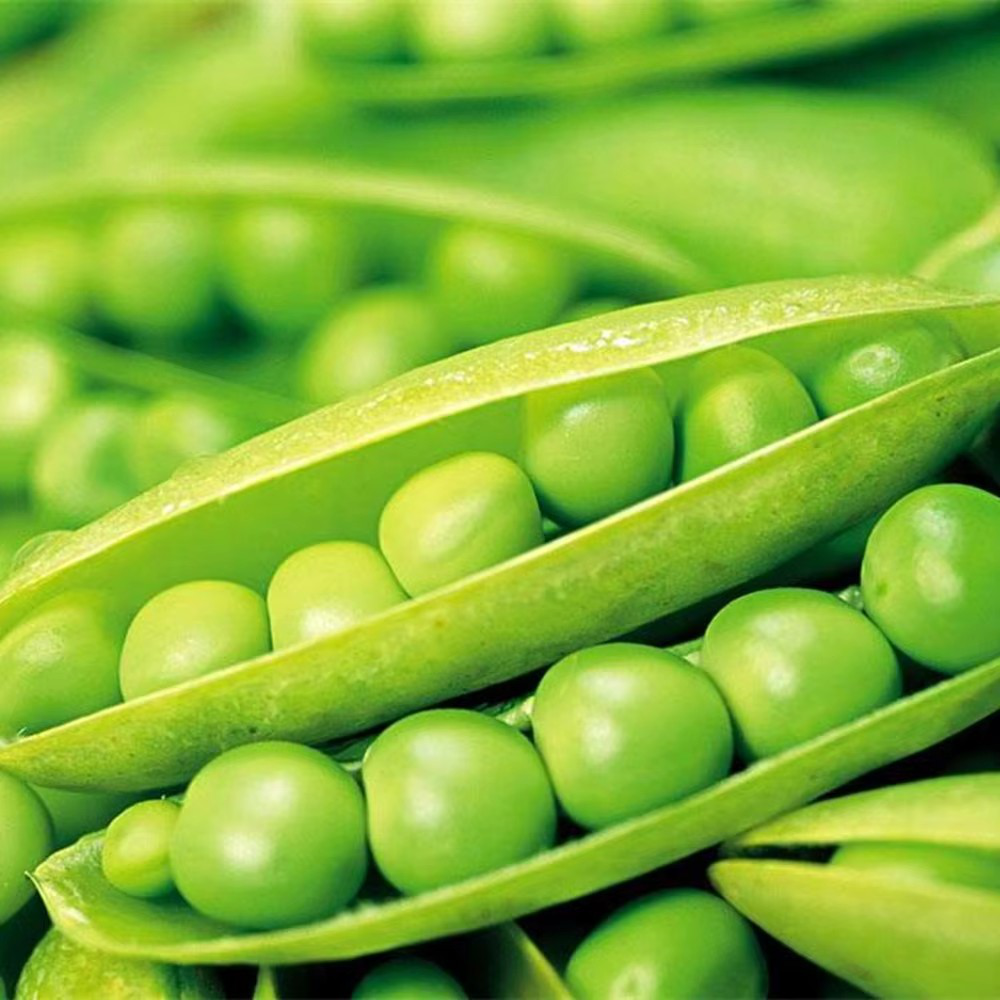
Pea protein powder, as a rising star in the field of plant protein powder, has seen a surge in popularity in recent years. It is made from peas as raw material through fine processing. Pea protein powder also has excellent protein content, generally around 70% -80%, and is rich in various essential amino acids for the human body, making it a high-quality source of protein.
Compared with soy protein powder, a significant advantage of pea protein powder is its lower allergenicity. For those who are allergic to soybeans or have a sensitive gut, pea protein powder is undoubtedly a better choice. Moreover, pea protein powder performs well in digestion and absorption, providing the body with the necessary protein quickly.
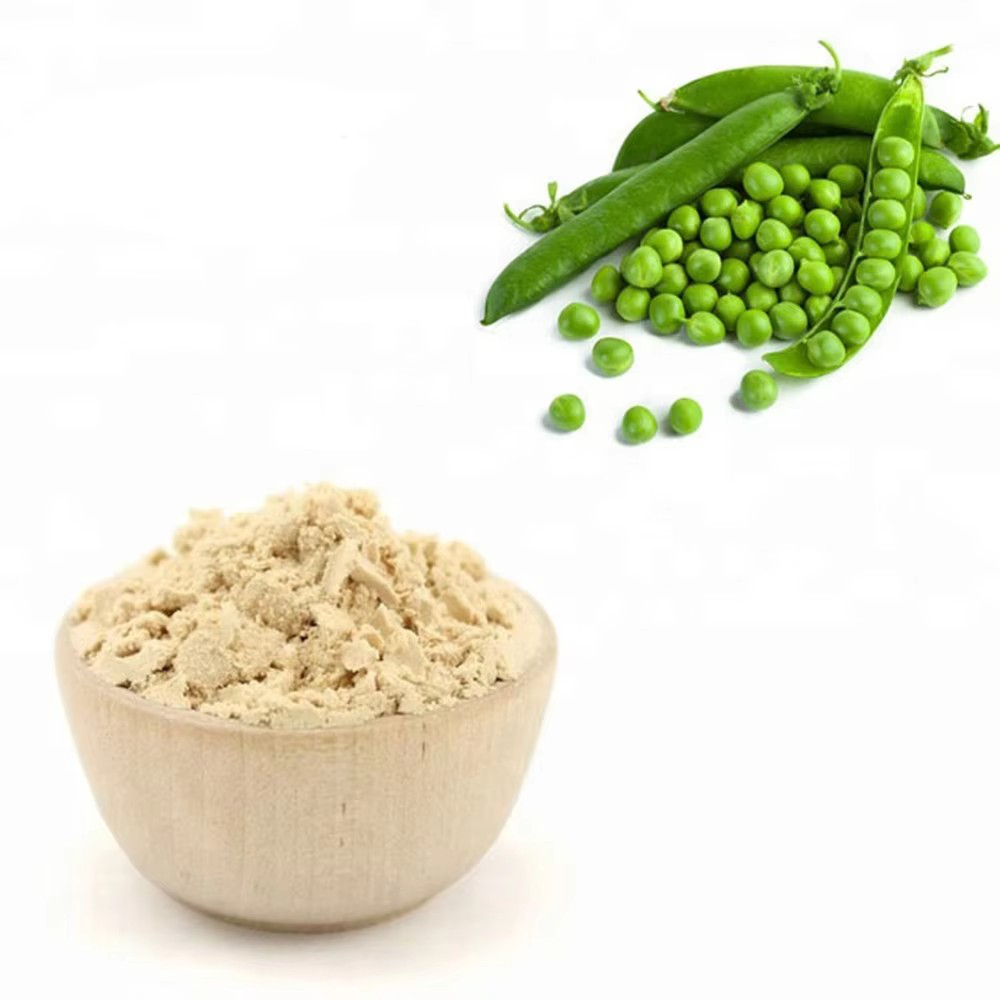
Pea protein powder is highly favored among certain specific populations. For example, fitness enthusiasts’ demand for protein increases significantly after high-intensity training. Pea protein powder can quickly supplement protein, promote muscle repair and growth. Meanwhile, the zero fat and cholesterol free characteristics of pea protein powder make it an ideal choice for weight loss enthusiasts, as it can supplement protein without worrying about excessive fat intake. However, pea protein powder also has a minor drawback, which is its relatively low methionine content. Methionine is an essential amino acid for the human body, which plays an important role in maintaining normal metabolism and physiological functions. Therefore, when consuming pea protein powder alone, it may be necessary to pair it with foods rich in methionine to ensure nutritional balance.
Selection guide: Adapting to one’s own needs is key

Through the above comparison, it can be found that soy protein powder and pea protein powder each have their own advantages and disadvantages. So, how should we make a decision in actual decision-making? Firstly, one should fully consider their own allergy situation. If you are allergic to soybeans, pea protein powder is undoubtedly the only choice. Secondly, pay attention to your digestive function. If your intestines are sensitive and prone to digestive problems, pea protein powder is relatively milder and more suitable for you. Furthermore, from the perspective of one’s own nutritional needs. If you are a fitness enthusiast with a high demand for protein and a pursuit of rapid absorption, pea protein powder would be a good choice; If you are a vegetarian and want to supplement protein while also reducing cholesterol, soy protein powder is more suitable. Finally, do not overlook the price factor. Soy protein powder has a relatively low price, and if your budget is limited, soy protein powder may be a more affordable choice.
Soy protein powder and pea protein powder are both high-quality protein supplements. When making a choice, it is important to closely consider various factors such as one’s physical condition, nutritional needs, and budget, and make a decision after comprehensive consideration. Only in this way can protein powder truly contribute to our health and help us better pursue a healthy and energetic life. I hope that through the introduction in this article, you can find the most suitable one between soy protein powder and pea protein powder, and start a new chapter in healthy living.
Contact: Serena Zhao
WhatsApp&WeChat :+86-18009288101
E-mail:export3@xarainbow.com
Post time: Mar-02-2026