
Kale powder is a powdered product made from fresh kale leaves, which is rich in nutrients and has a wide range of uses. Here is a detailed introduction:
Basic Information
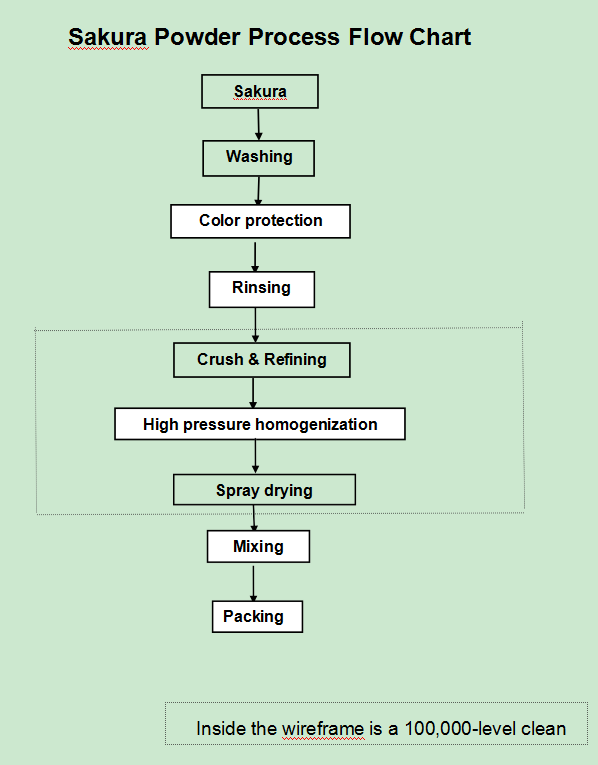
Production Process: Kale powder is usually made by washing, selecting, and then drying fresh kale through low – temperature drying, spray – drying, or freeze – drying methods. After that, it is ground into a fine powder.
Appearance and Flavor: It is typically a green to dark – green powder, with a fine and uniform texture. It has a mild, earthy flavor.
Nutritional Value
Rich in Vitamins: It is an excellent source of vitamins A, C, and K. Vitamin A is beneficial for eye health and skin maintenance, vitamin C can enhance immunity, and vitamin K plays an important role in blood clotting and bone health.
Abundant in Minerals: It contains minerals such as calcium, potassium, iron, and magnesium. The calcium content is relatively high, which is helpful for strengthening bones; potassium is beneficial for maintaining normal heart function and blood pressure.
High in Antioxidants: It is rich in antioxidants such as beta – carotene, lutein, quercetin, and chlorophyll, which can scavenge free radicals in the body, slow down the aging process, and reduce the risk of chronic diseases.
Contains Dietary Fiber: It is rich in dietary fiber, which can promote intestinal peristalsis, help digestion, and maintain the health of the digestive system.
Usage Methods
Added to Beverages: It can be added to smoothies, juices, or made into kale – flavored tea. Adding it to smoothies is a very common way, which can increase the nutritional value of the smoothie and give it a bright green color.
Used in Cooking: It can be added to soups, sauces, and seasoning blends to increase the nutritional content and flavor of the dishes. In some baking products, such as bread or muffins, adding an appropriate amount of kale powder can also make the products more nutritious.
As a Dietary Supplement: It can be made into capsules, tablets, or added to other nutritional powder blends for easy intake, especially for those who have difficulty consuming enough fresh vegetables.
Storage Method
It should be stored in a cool, dry, and dark place, and kept sealed to prevent moisture absorption and oxidation, so as to maintain its nutritional value and flavor. The shelf life is generally about 24 months under proper storage conditions.
Types
Ordinary Kale Powder: It is made by general drying and grinding processes and is widely used in food and dietary supplement industries.
Organic Kale Powder: It is made from organically grown kale, without the use of pesticides, fertilizers, and other chemical substances, and has obtained relevant organic certifications, such as USDA Organic and EU Organic certifications.
Freeze – Dried Kale Powder: It is made by freeze – drying fresh kale, which can maximally retain the nutrients, color, and flavor of kale, and has a relatively long shelf life.
What are the potential health benefits of kale powder?
Kale powder is a highly concentrated, nutrient-dense superfood that retains nearly all the health benefits of fresh kale—amplified by its condensed form—with research-backed advantages from its rich blend of vitamins, minerals, fiber, and plant compounds. Below are its key potential health benefits, all tied to its core nutritional profile (note: it complements a balanced diet, not a replacement for whole foods or medical care):
1. Powerful Antioxidant & Anti-Inflammatory Support
Packed with antioxidants like kaempferol, quercetin, and vitamin C, it neutralizes harmful free radicals in the body, reducing oxidative stress (a driver of aging and chronic disease). It also contains glucosinolates (cruciferous-specific compounds) that break down into anti-inflammatory metabolites, lowering low-grade inflammation linked to joint pain, heart disease, and metabolic disorders. Glucosinolates also support liver detoxification by aiding the body’s natural waste-removal processes.
2. Boosts Bone Health (One of Its Strongest Benefits)
It’s an ultra-high source of vitamin K (1000%+ of the daily value per serving), which works with calcium and magnesium (also abundant in kale powder) to promote bone mineralization, strengthen bone density, and reduce the risk of osteoporosis and fractures. Vitamin K also regulates calcium absorption, preventing harmful calcium buildup in blood vessels.
3. Strengthens the Immune System
Loaded with vitamin C, vitamin A (beta-carotene), and antioxidants, it supports the production and function of immune cells (e.g., white blood cells). Vitamin C enhances collagen synthesis (for healthy mucous membranes, a first line of defense) and boosts the body’s ability to fight off infections, colds, and minor illnesses.
4. Supports Digestive & Gut Health
High in soluble and insoluble fiber, it feeds the beneficial bacteria in the gut microbiome, promoting a healthy gut environment. Insoluble fiber adds bulk to stool, relieving mild constipation and supporting regular bowel movements, while soluble fiber helps slow digestion and stabilize blood sugar. The fiber also increases satiety, aiding in healthy digestion overall.
5. Promotes Heart Health
Potassium balances sodium levels in the body, helping to regulate and lower blood pressure (reducing hypertension risk).
Soluble fiber and antioxidants may lower LDL (“bad”) cholesterol levels by binding to cholesterol in the gut and removing it from the body.
Vitamin K and antioxidants prevent oxidative damage to blood vessel walls, reducing the risk of plaque buildup and heart disease.
6. Aids Healthy Weight Management
It’s low in calories, zero added sugar, and high in fiber—adding it to meals or beverages increases satiety (fullness) without excess calories, helping to curb overeating. The nutrient density also ensures your body gets essential vitamins/minerals while maintaining a calorie-controlled diet, making it ideal for weight loss or maintenance.
7. Supports Eye Health
Rich in beta-carotene (converts to vitamin A), lutein, and zeaxanthin, these compounds protect the eyes from blue light and UV damage, reduce the risk of age-related macular degeneration and cataracts, and support overall retinal health.
8. Low-Calorie Nutrient Boost for Deficient Diets
For those who struggle to eat enough leafy greens, kale powder is a convenient way to fill nutritional gaps—1 tsp of pure kale powder is roughly equivalent to 1 cup of fresh kale, delivering concentrated vitamins, minerals, and plant compounds without the hassle of washing/cooking whole kale.

If you are interested in our product or need samples to try, please do not hesitate to contact me at any time.
Email:sales2@xarainbow.com
Mobile:0086 157 6920 4175(WhatsApp)
Fax:0086-29-8111 6693
Post time: Jan-29-2026