
Lutein is a fat-soluble xanthophyll carotenoid (C₄₀H₅₆O₂, CAS 127-40-2) that acts as a potent antioxidant and a key macular pigment, critical for eye health and overall cellular protection. It cannot be synthesized by the human body and must be obtained via diet or supplements
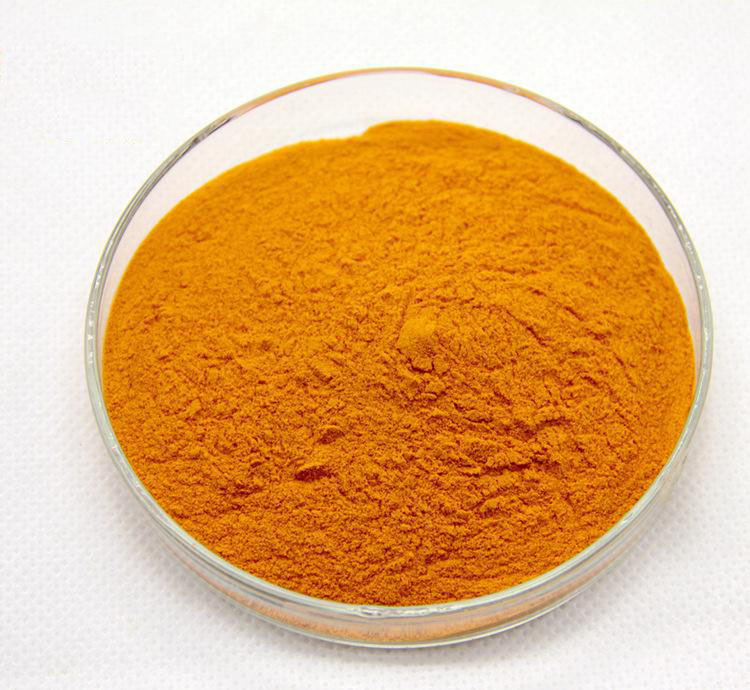
Lutein is a naturally occurring carotenoid, a type of pigment that gives many fruits and vegetables their yellow, orange, and red colors. It is classified as a xanthophyll, meaning it contains oxygen and acts as an antioxidant.
Unlike some other carotenoids (like beta-carotene), lutein is not converted into vitamin A in the body. Its primary role is to serve as a light filterand antioxidant, particularly for the eyes.
Lutein is most famous for its crucial role in eye health:
Macular Pigment: Lutein, along with its isomer zeaxanthin, is heavily concentrated in the macula—the central part of the retina responsible for sharp, detailed vision. Here, they form the macular pigment.
Blue Light Filtration: This pigment acts like internal sunglasses, absorbing and filtering out high-energy, potentially damaging blue light from the sun and digital screens.
Antioxidant Protection: The retina has a high metabolic rate and is susceptible to oxidative stress. Lutein neutralizes free radicals generated by light exposure, protecting the delicate retinal cells from damage.
Key Health Benefits (Supported by Research):
Reduces Risk of Age-Related Macular Degeneration (AMD): This is the most well-established benefit. A high dietary intake of lutein and zeaxanthin is strongly associated with a significantly lower risk of developing and progressing to advanced AMD, a leading cause of irreversible blindness in older adults.
May Help Prevent Cataracts: By combating oxidative stress in the lens of the eye, lutein may help slow the formation of cataracts.
Supports Visual Performance: Some studies suggest it can improve visual acuity, contrast sensitivity, and reduce glare disability.
Skin Health: Lutein is also deposited in the skin, where it may help protect against UV-induced damage and improve skin hydration and elasticity.
Cognitive Health: Emerging research indicates that lutein accumulates in the brain and may be associated with better cognitive function in older adults, though more research is needed.
Dietary Sources:
The body cannot synthesize lutein, so it must be obtained from food or supplements.
Excellent food sources include:
Leafy Green Vegetables:Kale, spinach, Swiss chard, collard greens, and romaine lettuce are the richest sources. (Note: Cooking these can make lutein more bioavailable.)
Other Vegetables: Broccoli, peas, Brussels sprouts, corn, zucchini.
Egg Yolks: The fat in the yolk enhances the absorption of lutein.
Fruits: Kiwi, grapes, oranges, mango, papaya.
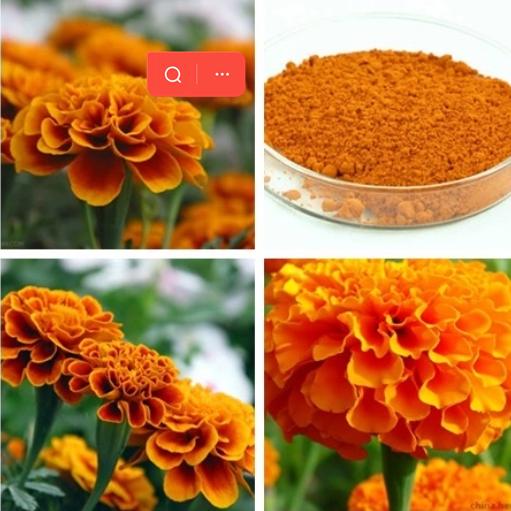
Marigold Flowers: This is the primary source for most commercial supplements, as the petals are exceptionally rich in lutein and zeaxanthin.

Supplementation:
Lutein supplements are widely available, often paired with zeaxanthin and other eye-supporting nutrients (like vitamin C, vitamin E, zinc, and copper—as in the AREDS2 formula).
Typical Dosage: Studies often use 10-20 mg of lutein per day for eye health benefits.
Important: Since lutein is fat-soluble, take supplements with a meal containing some fat (like avocado, nuts, or olive oil) for optimal absorption.
Consult a Doctor: Always speak with a healthcare professional before starting any new supplement, especially if you have pre-existing conditions or are taking other medications.
Key roles:
Eye protection: Concentrates in the macula (retina) to filter harmful blue light and quench free radicals, lowering risks of age-related macular degeneration (AMD) and cataracts.
Antioxidant action: Neutralizes reactive oxygen species (ROS) to reduce oxidative stress in tissues like the brain and skin.
Structural function: Stabilizes lipid membranes and supports eye photoreceptor integrity.
Safety: Generally well-tolerated; mild GI upset may occur at high doses. Consult a healthcare provider if pregnant, nursing, or on medications.
Key Notes
Works synergistically with zeaxanthin (another macular carotenoid) for optimal eye protection.
Summary in a Nutshell:
Lutein is a golden-yellow plant pigment and antioxidant that acts as a natural sunblock for your eyes. It is essential for protecting the central retina (macula) from blue light and oxidative damage, thereby playing a critical role in preserving long-term vision and potentially reducing the risk of age-related eye diseases. The best way to get it is by eating plenty of dark leafy greens and other colorful vegetables.
If you are interested in our product or need samples to try, please do not hesitate to contact me at any time.
Email:sales2@xarainbow.com
Mobile:0086 157 6920 4175(WhatsApp)
Fax:0086-29-8111 6693
Post time: Dec-31-2025