
Flaxseed, a miraculous seed containing over 50% alpha linolenic acid, has been used as a natural medicine since ancient Greece. It can be converted into “brain gold” DHA and “vascular scavenger” EPA, helping with brain development, improving vision, and regulating blood lipids. But remember to choose intact seeds that have been detoxified, as the quality of flaxseed from Inner Mongolia production areas is particularly outstanding.
With the improvement of quality of life, people’s awareness of health care has gradually increased, and flaxseed, as a food, has gradually entered the public eye. On e-commerce platforms, consumers can choose from a wide range of products such as flaxseed powder, flaxseed oil, and flaxseed capsules. But what is the sanctity of flaxseed, and what little known secrets does it hold?
1.Overview and History of Flaxseed
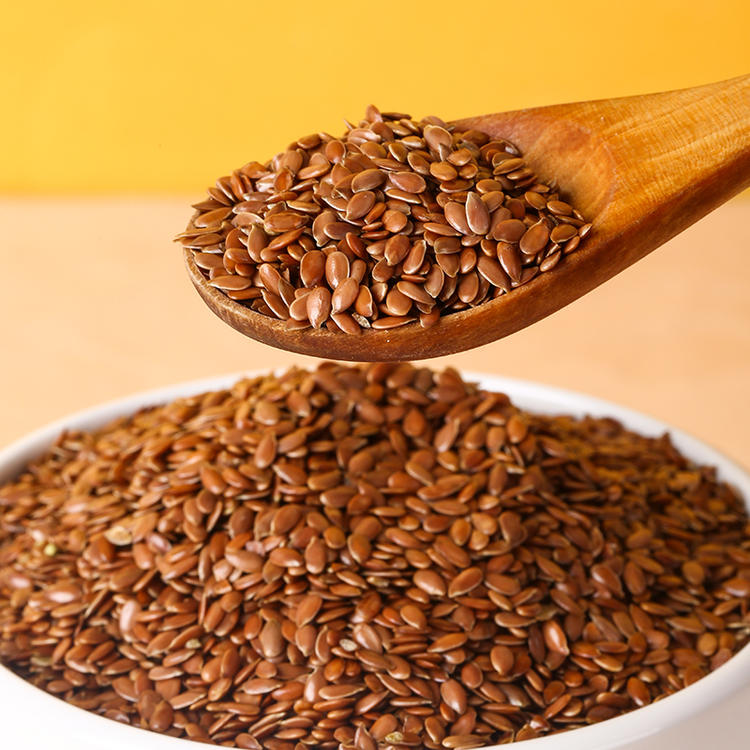
Flaxseed, a reddish brown oval shaped fruit resembling sesame, contains rich nutritional value and unique flavor. It comes from flax, an annual herbaceous plant that is unique for its upright stem, soft upper part, and leaves covered in white frost. Its petals appear blue or white, the fruit is a capsule, and the seed is flattened oval in shape. Flax prefers a cool and humid climate, with unique growth habits that give flaxseeds a unique nutty flavor.
In fact, flaxseed has not only entered the human eye in recent years. Throughout history, there are countless records of flaxseed. As early as 2600 years ago, Hippocrates, the father of ancient Greek medicine, recorded the medicinal uses of flaxseed, such as relieving abdominal pain and anti-inflammatory. Ancient Indian literature also mentions that daily consumption of flaxseed can maintain physical and mental health. In the Middle Ages, flaxseed was widely planted in Asia Minor, and even Greece legislated to require its citizens to consume flaxseed. The use of flaxseed has a long history, with its medicinal and edible value recorded in ancient Greek, Indian, and medieval literature. In addition, the Chinese Pharmacopoeia also records the unique efficacy of flaxseed, stating that it has a sweet and pungent taste, a mild nature, and can moisten dryness, promote bowel movements, nourish blood, and dispel wind. The ancient books “Compendium of Materia Medica” and “Dian Nan Materia Medica” also praise its moisturizing and wind dispelling effects.
2. Nutritional components and health benefits of flaxseed
So, what magical effects does flaxseed have? This is due to its rich content of substances. In a single seed, flaxseed is rich in flaxseed oil, dietary fiber, flaxseed protein, lignans, and various vitamins and minerals, providing abundant nutritional value. Flaxseed oil accounts for up to 35% to 40%, while containing 30-35% dietary fiber, 16-20% flaxseed protein, and 0.8% to 1% lignin. Combined with 10% to 13% vitamins and minerals, flaxseed is endowed with unique nutritional value and health benefits.
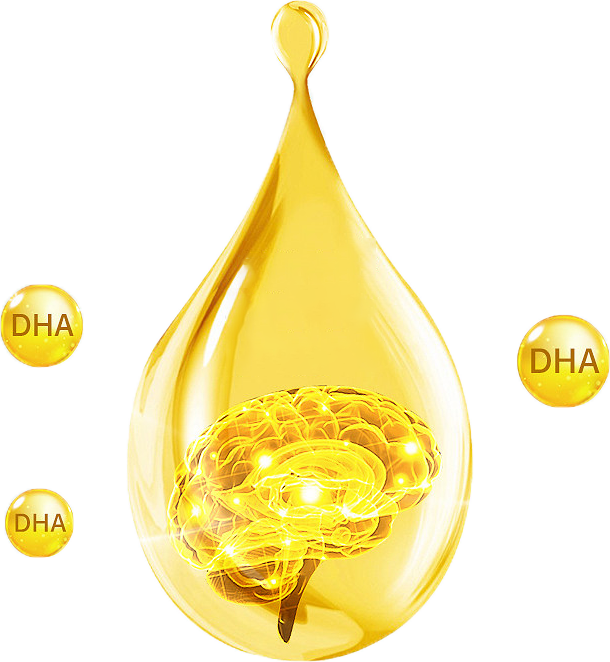
Flaxseed oil is rich in unsaturated fatty acids, especially the high nutritional value alpha linolenic acid, with a content of over 50%. This magical fatty acid can be converted into DHA and EPA in the human body, as well as various other beneficial components for health. The presence of alpha linolenic acid, EPA, and other components has significant benefits for the brain, vision, cardiovascular health, and more.
DHA, Known as the ‘brain gold’, it has a significant promoting effect on fetal brain development and the maturation of retinal photoreceptor cells. In addition, it can help improve symptoms of Alzheimer’s disease in the elderly, while also contributing to eye health by enhancing the fluidity of the retinal cell membrane, accelerating the transmission and processing of visual information, and significantly improving vision.
EPA, Known as the ‘vascular cleaner’, it is renowned for its excellent lipid-lowering effects. It can significantly reduce the fat content in the blood, remove lipid waste from blood vessels, and ensure the health of blood vessels. After extensive verification by authoritative experts, as well as clinical pathological trials and long-term use, it has been proven that EPA does play an important role in regulating blood lipids, reducing blood viscosity, preventing arteriosclerosis, cerebral thrombosis, and cerebral infarction. At the same time, it can effectively improve discomfort symptoms such as cerebral ischemia, dizziness, and headache.
3.Safe consumption and selection of flaxseed

Flaxseed needs to be detoxified before consumption. Untreated flaxseeds may contain cyanogenic glycosides and require detoxification treatment to avoid the risk of poisoning. Untreated flaxseed surface may contain cyanogenic glycosides, and excessive intake may lead to cyanide poisoning, causing symptoms such as arrhythmia, muscle paralysis, and respiratory distress. However, many products on the market often overlook this potential risk and directly grind flaxseed into powder to make health or weight loss foods, and advertise it as “original ecological grinding”.
Understanding the toxicity of flaxseed is crucial to prevent accidents from occurring. Although a small intake may not cause problems, excessive consumption of flaxseed does pose a risk of poisoning.
4. Extraction process and component characteristics
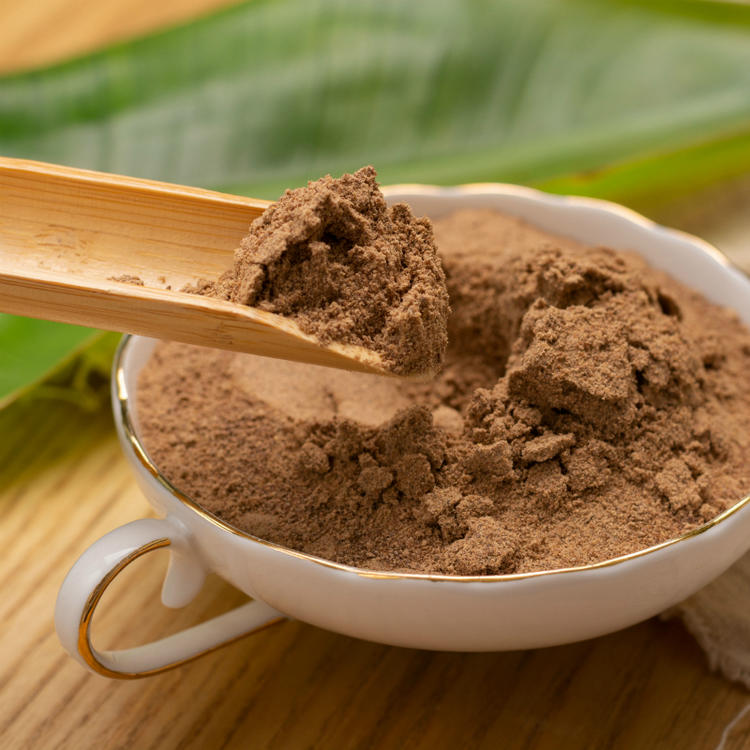
The preparation of flaxseed extract usually adopts spray drying technology, which removes water through low-temperature concentration and retains the activity of heat sensitive ingredients. Its specifications are expressed as “10:1″, which means that 10 kilograms of raw materials are extracted into 1 kilogram of finished product, with a standard content of 10% (based on specific ingredients). The detection method adopts thin-layer chromatography (TLC), which can accurately analyze the characteristic components in the extract. The core ingredient comes from the kernel of sesame seeds, which is rich in active substances such as lignin and unsaturated fatty acids. These ingredients are formed into stable powders through microencapsulation technology during the drying process, making them easy to store and transport.
5. Application scenarios and usage methods
As a raw material grade product, hemp seed extract can be directly used in food processing, health product production, or scientific research experiments. In the food industry, it can be added as a functional ingredient to bread, beverages, or nutrition bars; In the field of health products, they are often compressed into tablets or filled into capsules.
In addition, food is not omnipotent, choosing products that are suitable for oneself is the key.
Contact:
Serena Zhao
WhatsApp&WeChat :+86-18009288101
E-mail:export3@xarainbow.com
Post time: Nov-04-2026