
Curcumin, the primary active compound in turmeric, is a powerful polyphenol renowned for its anti-inflammatory and antioxidant properties, delivering a range of science-backed benefits for the body. Its antioxidants neutralize harmful free radicals and boost the body’s own antioxidant enzymes, fighting oxidative stress that contributes to aging and chronic disease. The anti-inflammatory effects rival some over-the-counter anti-inflammatories, easing mild joint discomfort and reducing low-grade inflammation linked to conditions like heart disease and diabetes.
It supports heart health by improving endothelial function (the lining of blood vessels), lowering blood pressure and bad cholesterol levels, and reducing the risk of blood clots. Curcumin also aids brain health: it boosts BDNF (brain-derived neurotrophic factor), a protein that grows new brain cells and may protect against age-related cognitive decline and mood disorders like anxiety and depression.
Additionally, it supports digestive health by soothing the gut lining, promoting healthy gut bacteria, and easing bloating or mild digestive upset. Some research links curcumin to enhanced immune function and potential anti-cancer properties (by inhibiting abnormal cell growth). Note that curcumin is poorly absorbed alone—pairing it with black pepper (piperine) or healthy fats boosts its bioavailability significantly.
Is curcumin the same as turmeric?
No, curcumin and turmeric are not the same—they are closely related but distinct substances, with one being a component of the other.
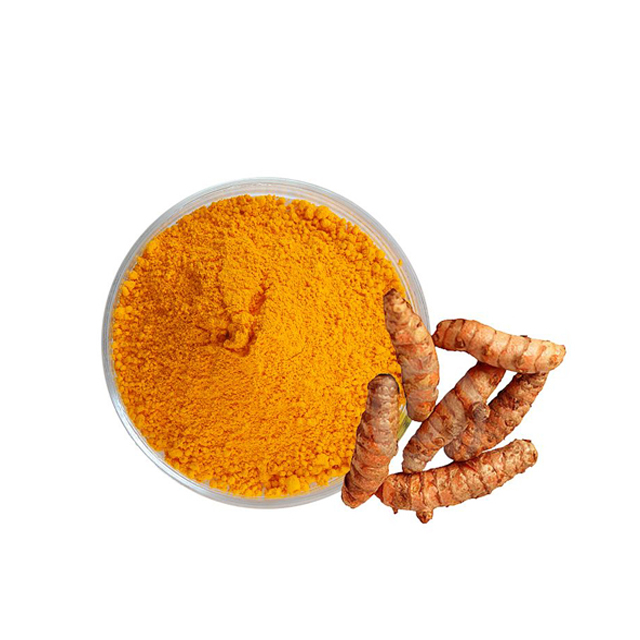
Turmeric is a bright yellow spice derived from the root of the Curcuma longa plant, a member of the ginger family. It’s the whole spice (dried and ground into a powder) used in cooking, traditional medicine, and natural products, and it contains a complex mix of compounds including curcuminoids, essential oils, and minerals.
Curcumin is the primary active curcuminoid in turmeric, and the main compound responsible for most of turmeric’s well-documented health benefits (its anti-inflammatory, antioxidant, and neuroprotective properties). It is the isolated, purified form of this key active ingredient—turmeric powder typically contains only 2–8% curcumin by weight, while curcumin supplements/powders are concentrated to contain 95% or more pure curcumin.
In short:
Turmeric = the whole plant spice (a raw material).
Curcumin = the main active compound extracted and concentrated from turmeric (the beneficial extract).
What is the downside of curcumin?
While curcumin (the active compound in turmeric) is generally safe for most people when consumed in moderate amounts, it has potential downsides—most linked to high doses (supplemental levels), as dietary turmeric intake rarely causes issues. Below are the key risks and considerations, with mild side effects being the most common:
Mild, Common Side Effects (High Doses)
These typically occur with daily doses of 1,000mg or more and are reversible when intake is reduced:
Digestive upset: Nausea, bloating, diarrhea, stomach cramps, or acid reflux (curcumin may stimulate stomach acid production).
Headaches or dizziness: Reported in some people with high supplemental intake, likely due to mild blood pressure or inflammatory changes.
People with digestive conditions: Those with gastritis, ulcers, or irritable bowel syndrome (IBS) may experience worsened symptoms, as curcumin can irritate the gut lining in high doses.
Blood-thinning medication users: Curcumin has mild antiplatelet effects (it may slow blood clotting). Combining it with warfarin, aspirin, or clopidogrel raises the risk of bleeding (bruising, nosebleeds, internal bleeding).
Low blood pressure (hypotension): Curcumin may slightly lower blood pressure—those with already low BP may feel lightheaded or fatigued.
Diabetes patients on medication: It can modestly lower blood sugar, increasing the risk of hypoglycemia (low blood sugar) when paired with diabetes drugs.
Liver function concerns: Isolated reports of elevated liver enzymes in people taking very high curcumin doses (4,000mg+ daily) or unregulated supplements; this resolves when use stops (no confirmed liver damage in healthy people with moderate use).
Bioavailability issues (not a risk, but a limitation): Curcumin is poorly absorbed by the body on its own—unformulated curcumin supplements may pass through the gut without providing significant benefits (solved by pairing with piperine/black pepper or healthy fats).
Moderate Risks for Specific Groups
Rare/Long-Term Considerations
Is it okay to take curcumin daily?
Yes, curcumin is safe for most healthy adults to take daily—when consumed in moderate, recommended doses—and regular daily intake is actually how most people experience its potential long-term benefits (e.g., sustained anti-inflammatory support, antioxidant protection). The key is distinguishing between dietary curcumin (from turmeric) and supplemental curcumin (concentrated extract), as their safe daily limits differ drastically.
Daily Intake Guidelines (Safe for Most)
Dietary curcumin (cooking with turmeric powder): There is no established upper limit—adding 1–2 tsp of turmeric to meals daily is completely safe and poses no risk of side effects.
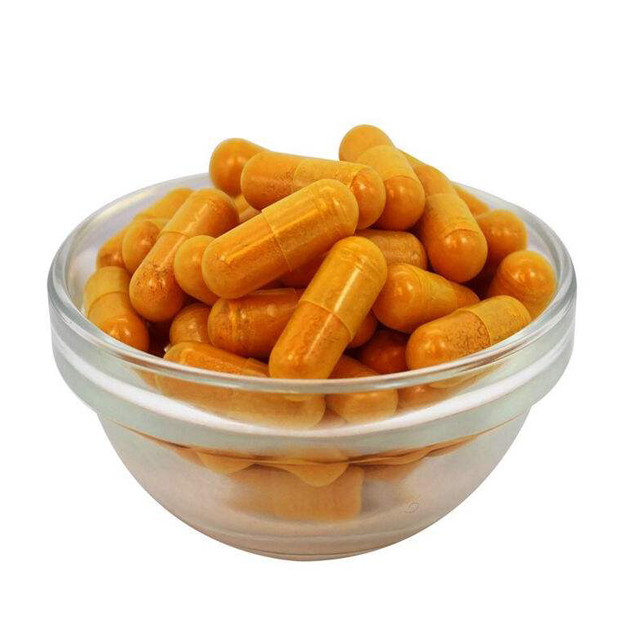
Supplemental curcumin (standard extracts, often with piperine for absorption): The evidence-backed safe daily dose is 500–2,000 mg total (split into 1–2 doses). Most research uses 1,000–1,500 mg daily for chronic support, and this range rarely causes mild side effects (e.g., mild digestive upset) in healthy people.
Important Caveats for Daily Use
Avoid high doses long-term: Daily intake above 2,000 mg (especially without medical guidance) raises the risk of digestive upset (nausea, diarrhea) and, in rare cases, mild blood-thinning effects or elevated liver enzymes.
Check for contraindications: If you take blood thinners, diabetes medication, or have low blood pressure/gastric ulcers, consult a doctor before daily supplementation—curcumin may interact with these medications or worsen symptoms.
Pregnancy/breastfeeding: Stick to dietary curcumin only (turmeric in cooking); avoid supplemental curcumin, as there is limited research on its safety for these groups.
Children: Curcumin supplements are not recommended for kids unless advised by a pediatrician—dietary turmeric in small amounts is safe.
Contact:Tony Zhao
Mobile:+86-15291846514
WhatsApp:+86-15291846514
E-mail:sales1@xarainbow.com
Post time: Jan-27-2026