
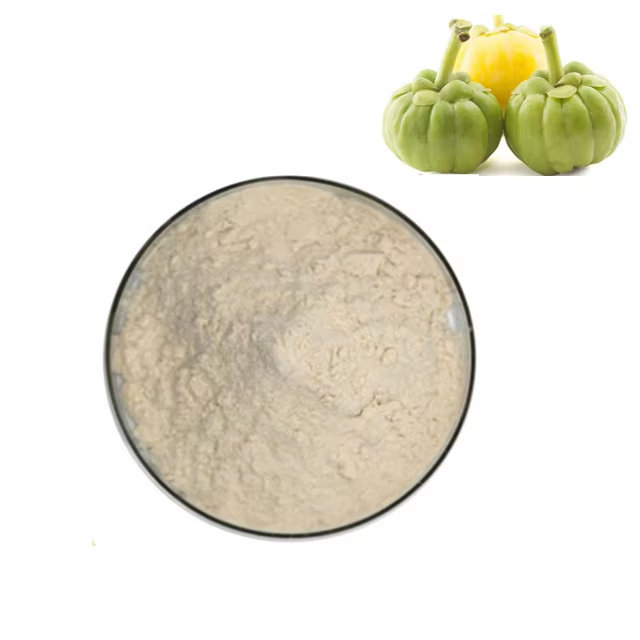
Garcinia cambogia extract is derived from the rind of the tropical fruit Garcinia gummi-gutta, with hydroxycitric acid (HCA) as its key active compound, primarily researched for weight management and metabolic supportPMC. Below is a detailed breakdown of its functions, mechanisms, and considerations:
Core Functions and Mechanisms
Weight management via fat production inhibition
HCA competitively inhibits ATP-citrate lyase, an enzyme that converts citrate to acetyl-CoA, a building block for fatty acid and cholesterol synthesisPMC. Blocking this step reduces lipogenesis (fat formation), especially when consuming high-carbohydrate dietsPMC.
May enhance glycogen storage in the liver, which can increase satiety signals and reduce hunger-driven overeating.
Appetite suppression
HCA may boost serotonin levels in the brain, a neurotransmitter linked to mood and satiety. Higher serotonin can reduce cravings, particularly for comfort foods, and promote earlier feelings of fullness.
Metabolic and blood sugar support
Animal and some human studies suggest HCA improves glucose metabolism by enhancing insulin sensitivity, helping cells take up glucose more efficiently and stabilize blood sugar levelsPMC.
May increase fat oxidation (burning stored fat for energy), though short-term human trials show inconsistent effects on resting metabolic ratePMC.
Cardiometabolic benefits
Some research indicates reduced LDL (“bad”) cholesterol and triglycerides, and increased HDL (“good”) cholesterol, potentially lowering cardiovascular disease risk, though more long-term human data is needed.
Additional Potential Effects
- Anti-inflammatory properties: Compounds like garcinol and xanthones in the extract may reduce inflammation, though this is less studied than HCA’s weight-related effects.
- Antioxidant activity: Garcinol and other phytochemicals act as antioxidants, neutralizing free radicals to protect cells from oxidative stress.
- Weight loss effects are often modest and inconsistent across studies; individual responses vary based on diet, lifestyle, and HCA concentration (standardized extracts typically contain 50–60% HCA).
- Safety concerns include potential gastrointestinal issues (nausea, diarrhea), headache, and rare but severe liver injury reports, especially with impure supplements.
- Not recommended for pregnant/nursing individuals, those with liver conditions, or people taking diabetes/antidepressant medications without medical supervision.
Efficacy and Safety Notes
What are the side effects of taking garcinia cambogia?
Taking garcinia cambogia extract, especially in supplement form, can cause a range of side effects, which vary in severity depending on dosage, purity of the product, and individual health status. Most side effects are mild, but some rare ones can be serious. Here’s a detailed breakdown:
Mild to Moderate Side Effects (Common)
These are the most frequently reported issues, often linked to the active compound hydroxycitric acid (HCA) or other ingredients in supplements:
- Gastrointestinal Disturbances
- Nausea, diarrhea, stomach cramps, bloating, or indigestion are the most common side effects. This is because HCA may alter how the body processes carbohydrates and fats, irritating the digestive tract in some people.
- Headaches and Dizziness
- HCA’s potential effect on serotonin levels or blood sugar regulation can trigger headaches, lightheadedness, or dizziness, especially if taken on an empty stomach.
- Dry Mouth and Fatigue
- Some users report mild dehydration symptoms like dry mouth, along with temporary tiredness, possibly due to changes in metabolism or reduced calorie intake from appetite suppression.
- Sleep Disturbances
- Fluctuations in serotonin can disrupt sleep patterns, leading to insomnia or restless sleep in sensitive individuals, particularly if the supplement is taken late in the day.
Rare but Serious Side Effects
These adverse reactions are less common but require immediate medical attention:
- Liver Damage
- There have been case reports of acute liver injury, including elevated liver enzymes, hepatitis, and even liver failure, associated with garcinia cambogia supplements. This risk is higher with impure products that may contain unlisted additives or contaminants.
- Allergic Reactions
- Rare cases of skin rashes, itching, swelling (especially of the face, lips, or tongue), or difficulty breathing have been reported, indicating an allergic response to the extract or supplement fillers.
- Drug Interactions-Related Side Effects
- When combined with certain medications, garcinia cambogia can cause harmful effects:
- Antidepressants (SSRIs/SNRIs): Increased serotonin levels may lead to a rare but dangerous condition called serotonin syndrome, with symptoms like confusion, rapid heartbeat, muscle rigidity, and seizures.
- Diabetes medications: HCA may lower blood sugar, increasing the risk of hypoglycemia (low blood sugar) with symptoms like shakiness, sweating, and fainting.
- Blood thinners: Some evidence suggests it may increase bleeding risk when taken with anticoagulants like warfarin.
Special Populations at Higher Risk
Certain groups should avoid garcinia cambogia extract entirely, as side effects are more likely or severe:
- Pregnant or breastfeeding women
- Children and adolescents
- People with liver disease, diabetes, heart conditions, or eating disorders
- Individuals taking prescription medications (especially those listed above)
How much weight can you lose with garcinia?
The amount of weight lost with garcinia cambogia extract is modest, inconsistent, and highly dependent on individual factors—it is not a “magic weight-loss solution.” Here’s a breakdown based on clinical research and real-world use:
1. Findings from Clinical Trials
Most short-term studies (8–12 weeks) show that people taking standardized garcinia cambogia extract (containing 50–60% HCA, the active compound) lose 0.5–2 kg (1–4.4 lbs) more weight than those taking a placebo.
- This small difference is often linked to the extract’s mild appetite-suppressing effects and inhibition of fat synthesis, rather than rapid fat burning.
- Longer-term studies (over 6 months) are limited, but the data suggests the weight-loss effect may plateau over time, especially if dietary and lifestyle habits do not change.
- Dosage: Typical daily doses range from 1,000–3,000 mg of HCA (split into 2–3 doses before meals). Doses above 3,000 mg do not improve results and may increase side effect risks.
- Diet and Exercise: Garcinia cambogia works best when paired with a calorie-controlled diet and regular physical activity. Without these lifestyle changes, weight loss is negligible or non-existent.
- Individual Variation: Metabolism, body composition, genetics, and baseline weight influence how the body responds to the extract. Some people may see little to no weight change.
- Supplement Purity: Impure products (with unlisted additives or low HCA content) are unlikely to produce any noticeable weight-loss effects.
- The weight loss from garcinia cambogia is not sustained long-term for most people once supplementation stops, unless healthy habits are maintained.
- The U.S. Food and Drug Administration (FDA) has not approved garcinia cambogia extract as a weight-loss drug, due to mixed efficacy data and potential safety concerns (e.g., liver injury).
2. Key Factors That Affect Results
3. Important Caveats
What is the most successful weight loss pill?
There is no single “most successful” weight loss pill, as efficacy depends on individual factors like body type, health conditions, lifestyle, and adherence. However, FDA-approved prescription weight loss medications have the strongest clinical evidence for safe and effective weight management, far outperforming over-the-counter (OTC) supplements. Below is a breakdown of the most well-supported options, categorized by prescription and OTC:
1. FDA-Approved Prescription Weight Loss Medications
These drugs are intended for adults with a BMI ≥30 (obesity) or ≥27 (overweight) with weight-related conditions (e.g., diabetes, high blood pressure). They work best when combined with a reduced-calorie diet and regular exercise.
2. Over-the-Counter (OTC) Option with FDA Approval
Only one OTC weight loss pill is FDA-approved:
- Orlistat (Xenical prescription, Alli OTC)
- Mechanism: Blocks fat absorption in the gut (prevents ~30% of dietary fat from being digested).
- Clinical Data: Average weight loss of 3–5% of body weight over 12 months (modest, but consistent when paired with a low-fat diet).
- Note: Common side effects include gastrointestinal issues (e.g., oily stools) if fat intake is too high.
Critical Notes on “Success”
- No pill replaces lifestyle changes: All effective weight loss medications work best with a calorie-controlled diet, regular exercise, and behavior modification. Results are significantly reduced without these habits.
- Safety first: Prescription drugs require medical supervision, as they can have side effects (e.g., semaglutide may cause nausea; phentermine/topiramate is not recommended for those with glaucoma or hyperthyroidism). OTC supplements (e.g., garcinia cambogia, green tea extract) lack strong clinical evidence and may pose safety risks (e.g., liver injury).
- Individual response varies: Semaglutide is highly effective for many, but some people may respond better to naltrexone/bupropion if they struggle with cravings.
Contact:Tony Zhao
Mobile:+86-15291846514
WhatsApp:+86-15291846514
E-mail:sales1@xarainbow.com
Post time: Jan-16-2026