
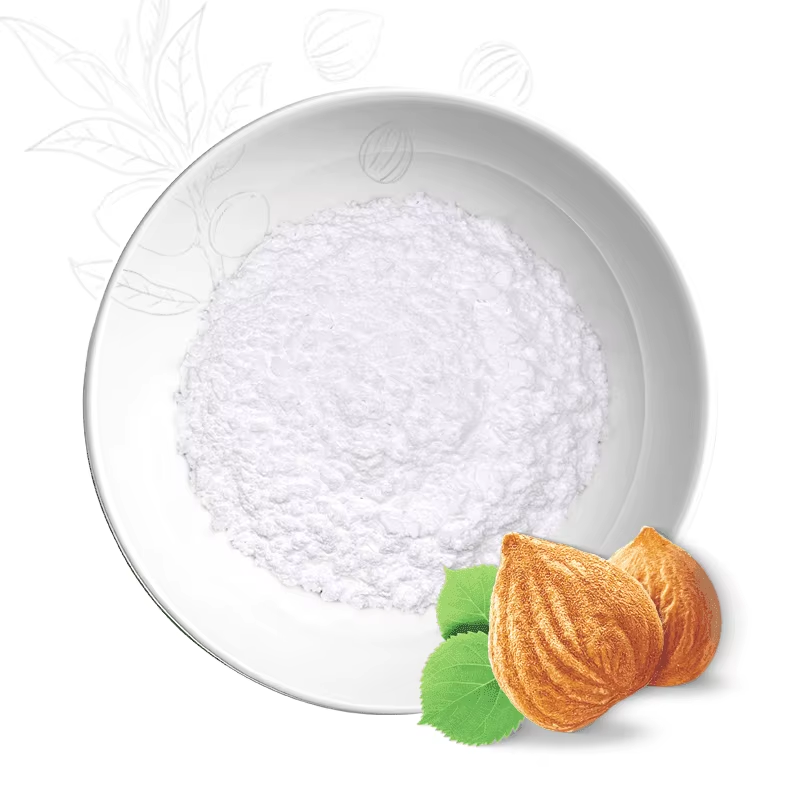
Apricot kernel powder is a versatile powder made from ground apricot kernels, and its uses span culinary, health & wellness, and skincare fields, depending on whether it is sweet apricot kernel powder (commonly used for daily purposes) or bitter apricot kernel powder (needs cautious use due to trace amygdalin content).
1. Culinary Applications
Baking & Pastry Making: It can be added to cakes, cookies, bread, and mooncakes to enhance flavor and texture. Its mild nutty aroma enriches the taste of baked goods, and it can also replace part of the flour to make recipes more nutritious.
Beverage Preparation: Mix it with warm water, milk, soy milk, or smoothies to make a nutrient-dense drink. It is a popular ingredient in homemade healthy beverages, especially in regions that value traditional nourishing diets.
Cooking & Seasoning: In some cuisines, it is used as a thickener for soups or a coating for fried ingredients, adding a unique nutty taste to savory dishes.
2. Health & Wellness Uses
Note: Only sweet apricot kernel powder is recommended for daily health use; bitter apricot kernel powder should be used under professional guidance to avoid excessive intake risks.
Respiratory Comfort: In traditional Chinese medicine, sweet apricot kernels are believed to moisten the lungs and relieve coughs. The powder form is easier to absorb, making it suitable for people with mild dry coughs or throat discomfort.
Nutritional Supplement: It is rich in protein, healthy fats, vitamin E, and minerals like magnesium and potassium. Regular moderate intake can help supplement daily nutrients and support overall bodily functions.
Digestive Support: The dietary fiber in apricot kernel powder can promote intestinal peristalsis and help maintain digestive health.
3. Skincare Applications
Homemade Face Masks: Mix the powder with honey, yogurt, or rose water to make a natural face mask. It is said to help exfoliate gently, brighten the skin tone, and improve dullness, thanks to its vitamin E and antioxidant content.
Body Scrubs: Combine it with body lotion or shower gel to create a mild scrub that removes dead skin cells and leaves the skin smooth.
How many apricot kernels powder should you eat per day?
The recommended daily intake of apricot kernel powder depends on two key factors: the type of apricot kernels (sweet vs. bitter) and individual health conditions. Here’s a clear, science-backed guideline:
1. For Sweet Apricot Kernel Powder (Safe for Daily Use)
Sweet apricot kernels are low in amygdalin (the compound that can produce small amounts of cyanide), so they are suitable for regular consumption.
Adults: 10–20 grams per day (equivalent to about 1–2 tablespoons). This amount provides enough nutrients (protein, vitamin E, fiber) without any safety risks.
Children & Elderly: 5–10 grams per day (about ½–1 tablespoon). Their digestive systems are more sensitive, so a smaller portion is better.
2. For Bitter Apricot Kernel Powder (Strictly Controlled Intake)
Bitter apricot kernels have higher amygdalin content, so they should not be used as a daily food supplement.
Medicinal Use Only: If recommended by a traditional Chinese medicine practitioner, the daily dose is usually 3–5 grams (about 1 teaspoon). Exceeding this amount can cause dizziness, nausea, or even cyanide poisoning in severe cases.
Critical Note: Bitter apricot kernel powder is not for casual daily consumption—always follow professional medical guidance.
Additional Tips
Avoid Long-Term Overconsumption: Even sweet apricot kernel powder is high in fat; excessive intake may lead to weight gain or digestive discomfort (e.g., bloating).
Special Groups: Pregnant women, people with liver/kidney diseases, or those taking medications should consult a doctor before adding it to their diet.
What are the benefits of eating apricot kernels powder?
Eating sweet apricot kernel powder (the safe, daily-consumable type) offers multiple health and nutritional benefits, thanks to its rich profile of proteins, healthy fats, vitamins, and minerals. Below are the key advantages, with clear distinctions from bitter apricot kernel powder (which is for medicinal use only):
1. Respiratory Tract Nourishment (Traditional & Modern Support)
In traditional Chinese medicine, sweet apricot kernel powder is valued for its ability to moisten the lungs and relieve mild dry coughs, sore throats, or respiratory discomfort caused by dry air.
Modern research suggests its natural compounds may help soothe respiratory tract linings, making it a gentle choice for those with occasional throat irritation.
2. Rich Nutritional Supplement
Healthy Fats: It contains monounsaturated fats and essential fatty acids, which support heart health by helping regulate cholesterol levels (when consumed in moderation).
Vitamin E Boost: A potent antioxidant that protects cells from oxidative damage, supports skin health, and may slow signs of premature aging.
Mineral Supply: Packed with magnesium (supports muscle and nerve function), potassium (balances blood pressure), and iron (aids in red blood cell formation, helpful for preventing mild fatigue).
Plant-Based Protein: A good source of vegetarian protein, ideal for supplementing protein intake in plant-focused diets.
3. Digestive Health Promotion
The dietary fiber in apricot kernel powder adds bulk to stool, promotes intestinal peristalsis, and helps prevent constipation. It also supports the growth of beneficial gut bacteria, maintaining a healthy gut microbiome.
4. Energy & Satiety Support
The combination of healthy fats, protein, and fiber provides sustained energy release, reducing sudden hunger pangs. It’s a great addition to breakfast smoothies or snacks to keep you full longer.
5. Skin-Friendly Benefits (Internal & External)
When consumed regularly, its vitamin E and antioxidants help improve skin hydration and elasticity from within.
As an internal supplement, it complements external skincare uses (like face masks) for more comprehensive skin nourishment.
Critical Notes
These benefits apply only to sweet apricot kernel powder. Bitter apricot kernel powder has high amygdalin content and can be toxic if consumed in excess; it should only be used under professional medical guidance.
Benefits are best achieved with moderate daily intake (10–20g for adults) and a balanced diet—apricot kernel powder is a supplement, not a replacement for whole foods.
 Who should not take apricot kernels powder?
Certain groups of people should avoid or use apricot kernel powder with extreme caution, primarily due to its nutritional properties and potential risks (especially for bitter apricot kernel powder). Below is a clear breakdown of contraindicated populations:
1. People Allergic to Nuts or Apricot Kernels
Apricot kernels belong to the stone fruit seed category, and cross-allergies with tree nuts (e.g., almonds, walnuts) are common. Those with a history of nut allergies may experience allergic reactions such as skin rashes, itching, swelling, or even anaphylaxis after consuming apricot kernel powder.
2. Pregnant and Lactating Women
Sweet apricot kernel powder: Though low in amygdalin, it still contains trace amounts of compounds that could potentially affect fetal development if overconsumed. It is recommended to consult a doctor before use.
Bitter apricot kernel powder: Strictly prohibited. Its higher amygdalin content may decompose into cyanide in the body, posing risks to both the mother and the fetus/infant.
3. Children Under 3 Years Old
Young children have immature digestive systems and weak metabolic capacity. Even sweet apricot kernel powder may cause digestive discomfort (e.g., bloating, diarrhea) if consumed. Bitter apricot kernel powder is completely unsuitable for them due to toxicity risks.
4. Individuals with Liver or Kidney Diseases
The liver is responsible for metabolizing trace amounts of toxic substances in apricot kernels, and the kidneys are involved in excretion. People with impaired liver or kidney function have reduced detoxification and excretion abilities, which may lead to the accumulation of harmful substances in the body.
5. People Taking Specific Medications
Blood-thinning drugs (e.g., warfarin): Apricot kernel powder contains vitamin K, which may interfere with the effectiveness of blood thinners.
Medications for high blood pressure or diabetes: The potassium and nutrient content in the powder may interact with these drugs, requiring medical advice before use.
6. Anyone Sensitive to Cyanide-Related Risks
Bitter apricot kernel powder is not recommended for any non-medicinal use. Even a small excess of the recommended medicinal dose (3–5g/day) can cause cyanide poisoning symptoms such as dizziness, nausea, difficulty breathing, or even more severe consequences.

Contact:Tony Zhao
Mobile:+86-15291846514
WhatsApp:+86-15291846514
E-mail:sales1@xarainbow.com
Post time: Dec-24-2025