
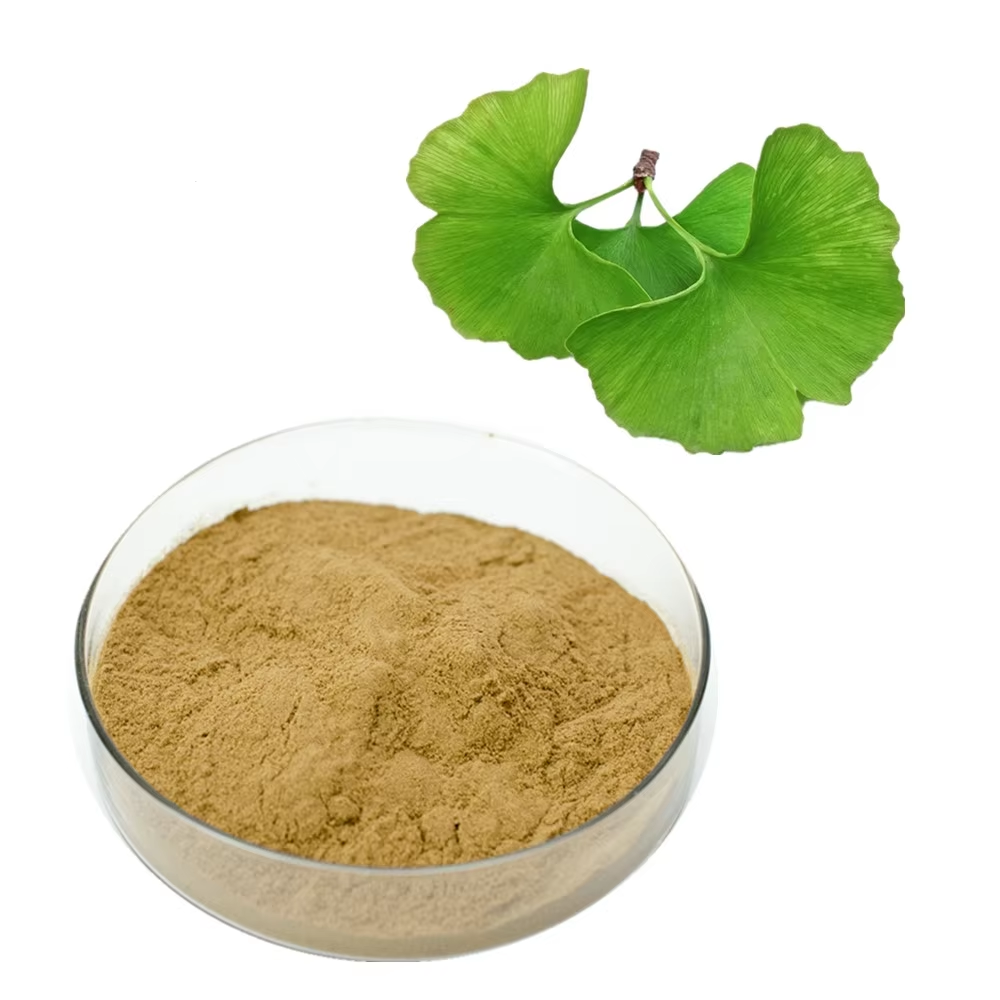
Ginkgo leaf powder, derived from the dried leaves of the Ginkgo biloba tree, is valued for multiple potential health benefits, supported by both traditional use and modern research:
Cognitive Function Support
It contains active compounds like flavonoids and terpenoids, which may improve blood flow to the brain. This is linked to enhanced memory, focus, and attention, and it is often studied for its potential role in supporting brain health, especially in age-related cognitive decline.
Circulatory Health Promotion
The powder may help dilate blood vessels and improve peripheral circulation, which can alleviate symptoms associated with poor blood flow (e.g., cold hands and feet, leg discomfort during walking).
Antioxidant Effects
Flavonoids in ginkgo leaf powder act as antioxidants, neutralizing harmful free radicals in the body, reducing oxidative stress, and potentially protecting cells from damage.
Traditional Herbal Applications
In traditional Chinese medicine, it has been used for centuries to address issues like dizziness, tinnitus, and lung-related discomfort (e.g., cough with phlegm).
 How to consume ginkgo biloba powder?
Ginkgo biloba powder can be consumed in several simple, practical ways, with dosage typically ranging from 1–2 grams per serving (consult a healthcare provider for personalized recommendations, especially for long-term use):
Mixed with Liquids
Stir the powder into warm water, herbal tea, milk, or plant-based beverages like almond milk. Stir thoroughly to avoid clumping; this method is ideal for a quick daily intake.
Added to Foods
Blend it into smoothies, yogurt, oatmeal, or porridge. It can also be sprinkled over cereal, energy bars, or homemade baked goods (e.g., muffins, cookies) to boost nutritional content without altering the taste significantly.
Capsule Encapsulation (for Convenience)
Fill empty vegetarian capsules with the measured powder—this is a great option for those who dislike the mild herbal taste or need a precise, portable dosage for travel.
Is it okay to take ginkgo biloba every day?
Taking ginkgo biloba powder daily is generally considered safe for most healthy adults when following the recommended dosage (typically 1–2 grams per day), but several key factors need to be taken into account:
Duration of Use
Short-term daily intake (e.g., 2–6 months) is widely studied and well-tolerated for supporting cognitive function or circulation. For long-term daily use (over 6 months), it is advisable to consult a healthcare provider, as there is limited data on its long-term effects.
Contraindicated Groups
Daily use is not recommended for certain people:
Individuals taking blood thinners (e.g., warfarin, aspirin) or antiplatelet drugs, as ginkgo may increase bleeding risk.
Pregnant or breastfeeding women, as its safety for fetuses and infants has not been fully confirmed.
People with bleeding disorders (e.g., hemophilia) or scheduled for surgery (stop use at least 2 weeks before surgery).
Children under 12 years old, as safety data for this group is insufficient.
Potential Side Effects
Even at recommended doses, some people may experience mild side effects with daily use, such as headache, dizziness, upset stomach, or allergic reactions (e.g., skin rash). Discontinue use and consult a doctor if these symptoms occur.
Who should avoid ginkgo?
Certain groups of people should avoid using ginkgo biloba powder entirely due to potential health risks, as follows:
Individuals taking blood-thinning or antiplatelet medications
This includes drugs like warfarin, heparin, aspirin, clopidogrel, and nonsteroidal anti-inflammatory drugs (NSAIDs). Ginkgo may enhance the blood-thinning effect, significantly increasing the risk of bleeding, bruising, or hemorrhage.
Pregnant and breastfeeding women
There is insufficient safety data to confirm that ginkgo is harmless to fetuses or infants. Some studies suggest it may affect uterine blood flow, so it is best to avoid use during pregnancy and lactation.
People with bleeding disorders
Those with conditions such as hemophilia, thrombocytopenia, or von Willebrand disease have impaired blood clotting ability. Ginkgo’s antiplatelet properties can exacerbate bleeding risks.
Patients scheduled for surgery
Ginkgo should be discontinued at least 2 weeks before any surgical procedure (including dental surgery). It can prolong bleeding time during and after surgery, leading to complications.
Children under 12 years old
Safety and efficacy data for pediatric use are lacking. The developing bodies of children may react unpredictably to ginkgo’s active compounds.
Individuals with known allergies to ginkgo
People who have experienced skin rashes, itching, or respiratory distress after contact with ginkgo leaves or products should avoid use to prevent allergic reactions.
Contact:Tony Zhao
Mobile:+86-15291846514
WhatsApp:+86-15291846514
E-mail:sales1@xarainbow.com
Post time: Dec-09-2025