
Inulin, a common ingredient in health foods, what is it? What are its benefits and functions?
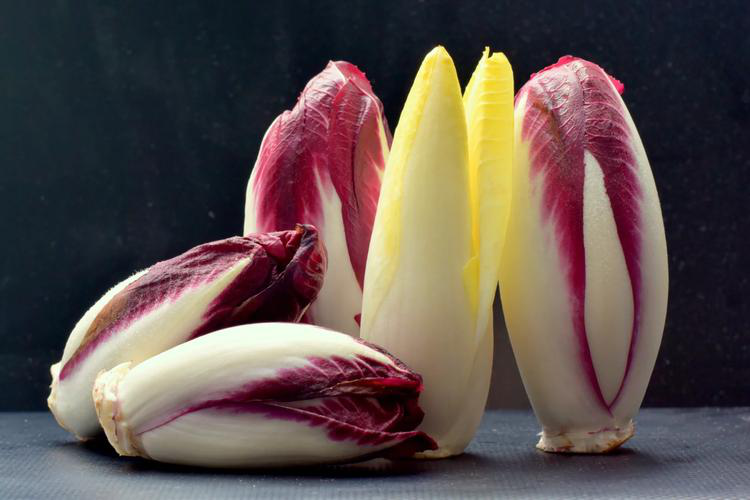
Inulin is a natural dietary fiber primarily derived from plants such as chicory root, Jerusalem artichoke, Jerusalem artichoke, garlic, onion, and leek. It belongs to the category of fructans and is a type of carbohydrate that cannot be directly digested by the human body. Therefore, inulin is also known as a “prebiotic”. What is a “prebiotic”? A prebiotic refers to an undigested. component whose function is to selectively stimulate the growth or activity of one or a limited number of bacteria in the colon that have the potential to improve host health. This brings benefits to the host. It is the “forage” for beneficial bacteria.
The core function of inulin is to regulate intestinal flora and improve intestinal health. As a prebiotic, it can promote the proliferation of beneficial bacteria and inhibit the growth of harmful bacteria, thereby maintaining the balance of intestinal flora. Inulin can also absorb water and increase the volume of feces, making them softer and effectively alleviating constipation. At the same time, it can also help improve diarrhea.
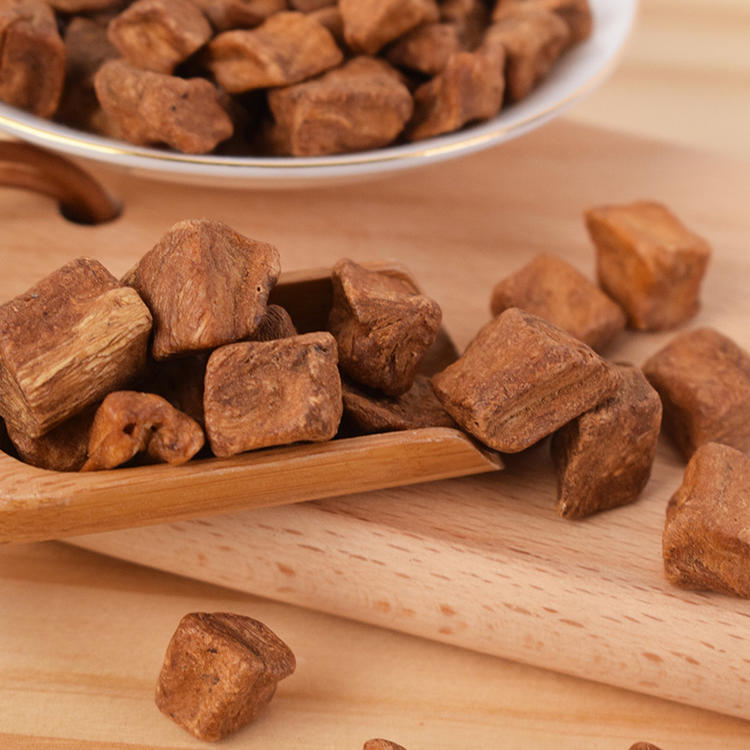
Secondly, inulin can also promote the absorption of nutrients, especially minerals such as calcium and magnesium. After being fermented in the intestines, inulin produces short-chain fatty acids such as butyric acid, which makes the intestines slightly acidic and helps enhance the absorption of minerals such as calcium and magnesium.
In addition, inulin indirectly stimulates and strengthens the immune system function by improving the balance of gut microbiota, as we know that about 70% of the immune cells in the human body are located in the gut. A healthy gut microbiota can help the body better resist the invasion of foreign pathogens.
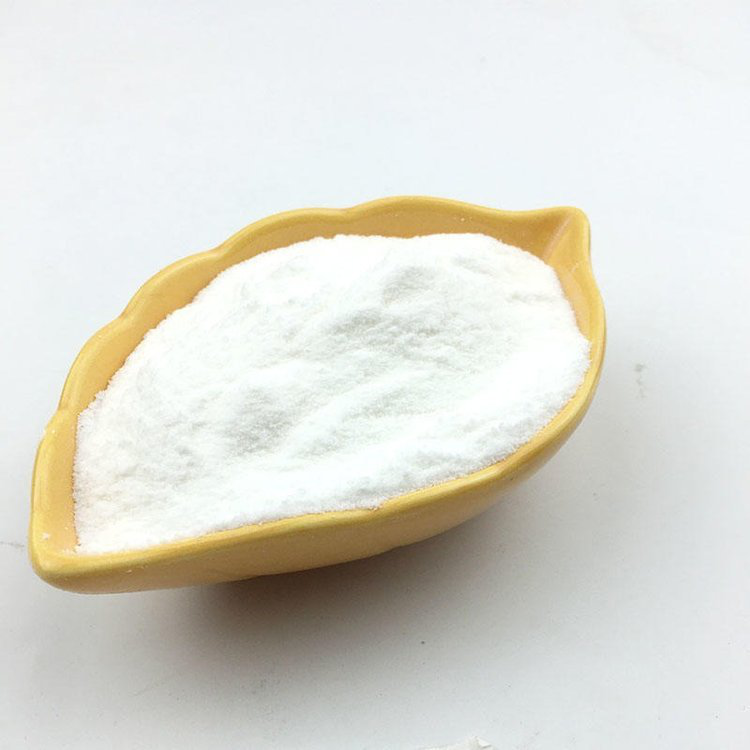
As a type of dietary fiber, inulin can also slow down the rate of glucose absorption into the bloodstream by delaying gastric emptying, which helps prevent a rapid increase in postprandial blood glucose levels. When inulin comes into contact with water, it swells, creating a strong sense of fullness, which is beneficial for avoiding excessive calorie intake from food, thereby aiding in weight control. Studies have shown that inulin can help reduce the levels of triglycerides and “bad cholesterol” in the blood.
Recently, a study published in Nature Metabolism found that supplementing with inulin can significantly reduce or even reverse the damage to the liver caused by excessive fructose intake by “training” the gut microbiota. In our daily diet, high-sugar and high-fat foods are ubiquitous, such as pastries and fried products, which are important sources of excessive intake of fructose and fatty liver. Long-term intake of excessive fructose can lead to insulin resistance, increased liver fat, and gut microbiota disruption. Research shows that in the presence of inulin, the total amount of fructose entering the colon decreases, avoiding colon microbiota disruption and the production of harmful metabolites.
It can be seen that supplementing with appropriate amounts of inulin not only contributes to intestinal health, but also prevents and reverses the effects of syrup on fatty liver, insulin resistance, and liver fibrosis.
How to take supplements?
1. Food supplementation
Natural food sources include chicory root, Jerusalem artichoke, garlic, onion, leek, asparagus, banana, wheat, etc;
2. Supplement supplementation
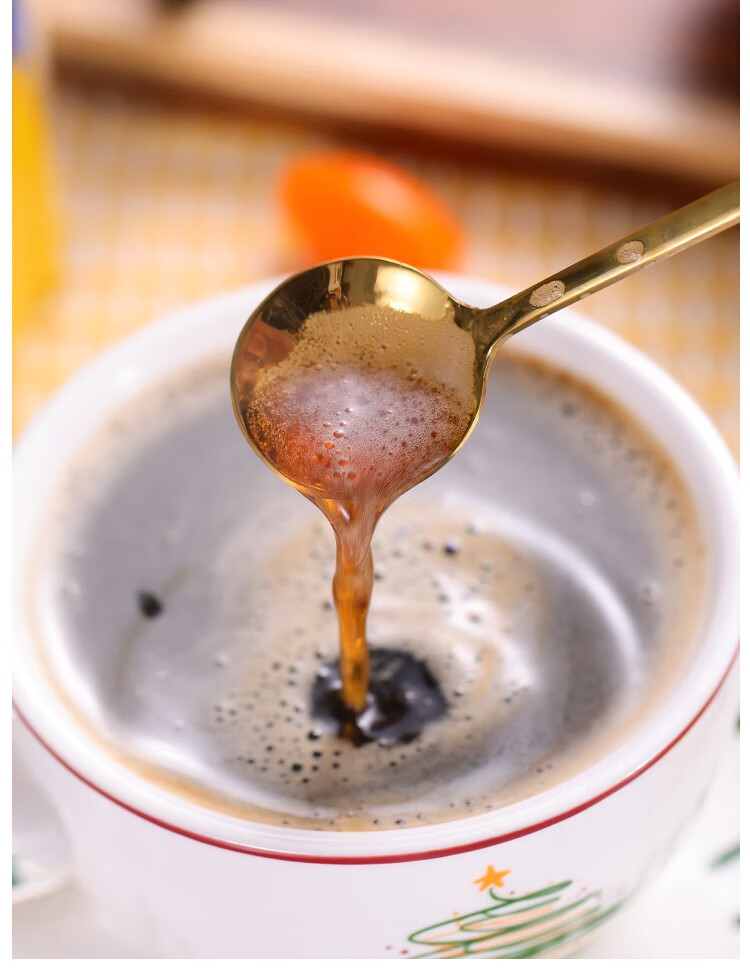
The commercially available inulin is in powder form, typically extracted from chicory roots, and can be consumed by adding it to water, coffee, yogurt, or baked goods.
[Reminder] When supplementing with supplements, it is important to start with a small dosage and gradually increase it (up to 15g per day). Taking too much can lead to gastrointestinal discomfort.
Contact: Serena Zhao
WhatsApp&WeChat :+86-18009288101
E-mail:export3@xarainbow.com
Post time: Jan-21-2026