
Beetroot powder has gained increasing attention as a dietary supplement, yet many individuals remain uncertain about its specific health benefits. Is it merely a trendy product with no real efficacy, or does it offer tangible physiological advantages? This article aims to clarify the scientifically supported functions of beetroot powder, outline its practical applications, and highlight key considerations for safe and effective use.
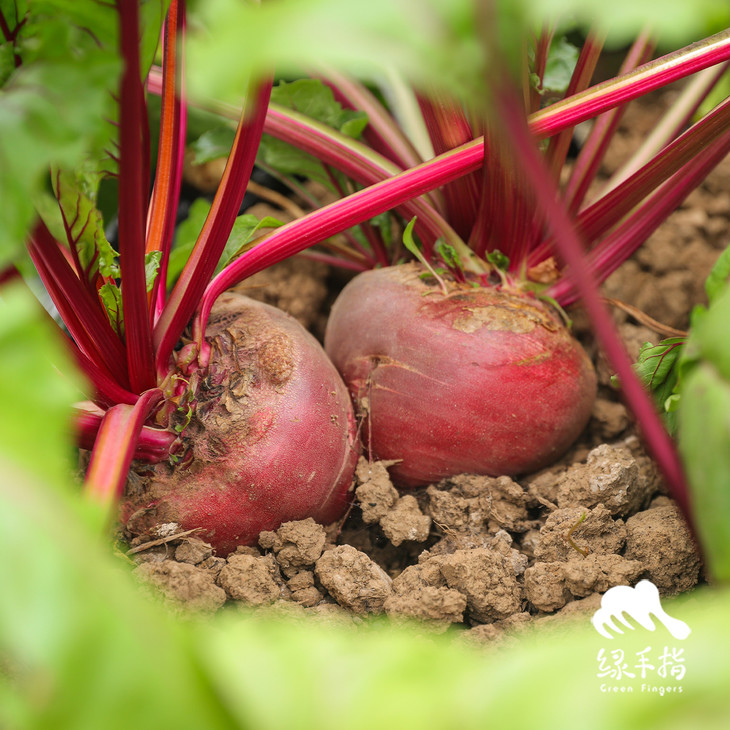
1. Dietary Nitrate: A Natural Vasodilator, Not a Harmful Additive
Contrary to common misconceptions, the nitrate in beetroot is not equivalent to the nitrite found in processed meats. Naturally occurring nitrates are converted into nitric oxide through a well-documented pathway involving oral bacteria and gastrointestinal enzymes. Nitric oxide acts as a potent vasodilator, promoting improved blood flow and enhanced oxygen delivery to vital organs and muscles. This mechanism underpins beetroot powder’s ability to reduce fatigue and support physical endurance—not through stimulation, but by optimizing circulatory efficiency.
2. Betacyanin: A Stable and Effective Antioxidant
The vibrant red color of beetroot powder comes from betacyanin, a naturally occurring pigment with antioxidant properties that surpass those of vitamin C in terms of thermal stability. Unlike some antioxidants, betacyanin remains largely intact when mixed with warm liquids or incorporated into yogurt and smoothies. Its primary role involves neutralizing free radicals and mitigating oxidative stress, which may contribute to reduced systemic inflammation, improved skin health, and faster recovery from exercise-induced muscle soreness.
3. Soluble Fiber and Low Glycemic Index: Gentle Support for Digestive Health Beetroot powder is a rich source of soluble dietary fiber, which differs significantly from insoluble fibers like wheat bran that may irritate sensitive digestive tracts. Upon ingestion, soluble fiber absorbs water and forms a gel-like substance that facilitates regular bowel movements without causing irritation. Additionally, it serves as a prebiotic, nourishing beneficial gut microbiota and supporting microbial balance. With a glycemic index of approximately 30—lower than that of an apple—beetroot powder has minimal impact on blood glucose levels, making it suitable for individuals managing diabetes or pursuing stable energy levels.
4. Iron and Folate: Plant-Based Nutrients for Blood Health
While the iron in beetroot powder is non-heme (plant-based) and less readily absorbed than heme iron from animal sources, its bioavailability can be significantly enhanced—by two to threefold—when consumed alongside vitamin C. Pairing beetroot powder with citrus fruits, kiwi juice, or supplemental vitamin C optimizes iron absorption. Furthermore, its folate content (approximately 150 μg per 100 g) complements iron in supporting red blood cell formation. This combination makes beetroot powder a valuable nutritional option for vegetarians and women recovering from menstruation.
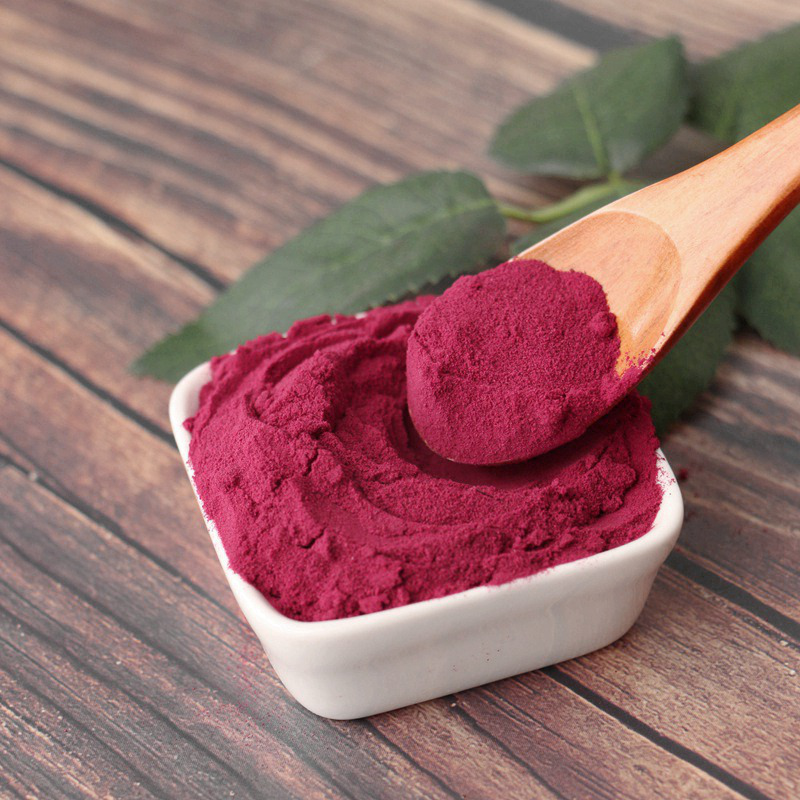
These bioactive components translate into meaningful health benefits across various populations:
Alleviation of Afternoon Fatigue in Sedentary Individuals
Prolonged sitting often leads to reduced circulation and cerebral hypoperfusion, contributing to mental fogginess and low energy. The nitric oxide derived from beetroot powder enhances cerebral blood flow, resulting in improved mental clarity and sustained alertness without the jitteriness associated with caffeine. For example, one professional reported consistent cognitive performance throughout the workday after consuming 10 g of beetroot powder in 200 mL of warm water each afternoon.
Digestive Regulation for Individuals with Sensitive Gastrointestinal Tracts
Those experiencing irregular bowel habits or irritable bowel syndrome may benefit from the gentle action of soluble fiber in beetroot powder. Unlike coarse fiber supplements, it does not exacerbate gastrointestinal discomfort. A case in point: a woman with IBS previously experienced diarrhea after consuming wheat bran biscuits but achieved regular bowel movements without adverse effects after incorporating 5 g of beetroot powder into her morning porridge daily.
Support for Iron Status in Vegetarians and Post-Menstrual Women
Vegetarians often face challenges in maintaining adequate iron stores. One individual with iron deficiency anemia (hemoglobin: 92 g/L) followed medical advice to consume 15 g of beetroot powder daily along with half an orange. After three months, her hemoglobin level increased to 115 g/L, within the normal range. Similarly, women replenishing iron post-menstruation may find this regimen more effective than traditional remedies such as consuming red dates.
Enhanced Athletic Performance
For physically active individuals, beetroot powder has demonstrated ergogenic effects. Clinical studies indicate that athletes who consumed 15 g of beetroot powder diluted in water 30 minutes before exercise exhibited a 15% improvement in endurance and a 20% reduction in post-exercise lactate accumulation. A marathon runner reported being able to extend training distance from 5 km to 7 km without increased fatigue and noted reduced delayed-onset muscle soreness, attributable to improved oxygen utilization and reduced anaerobic metabolism.
To maximize these benefits, proper usage is essential:
Temperature: Use water at 30–40°C
High temperatures degrade heat-sensitive compounds such as betacyanin and vitamin C. To preserve nutrient integrity, dissolve beetroot powder in lukewarm water or mix it into room-temperature foods like yogurt, smoothies, or cold porridge. This approach retains over 90% of its bioactive components.
Dosage: Limit intake to 10–15 grams per day
Excessive consumption (e.g., over 20 g/day) may lead to elevated nitric oxide levels, potentially causing vasodilation-related side effects such as dizziness or nausea. A daily intake of 10–15 g (approximately two standard scoops) is sufficient to achieve desired effects without risk.
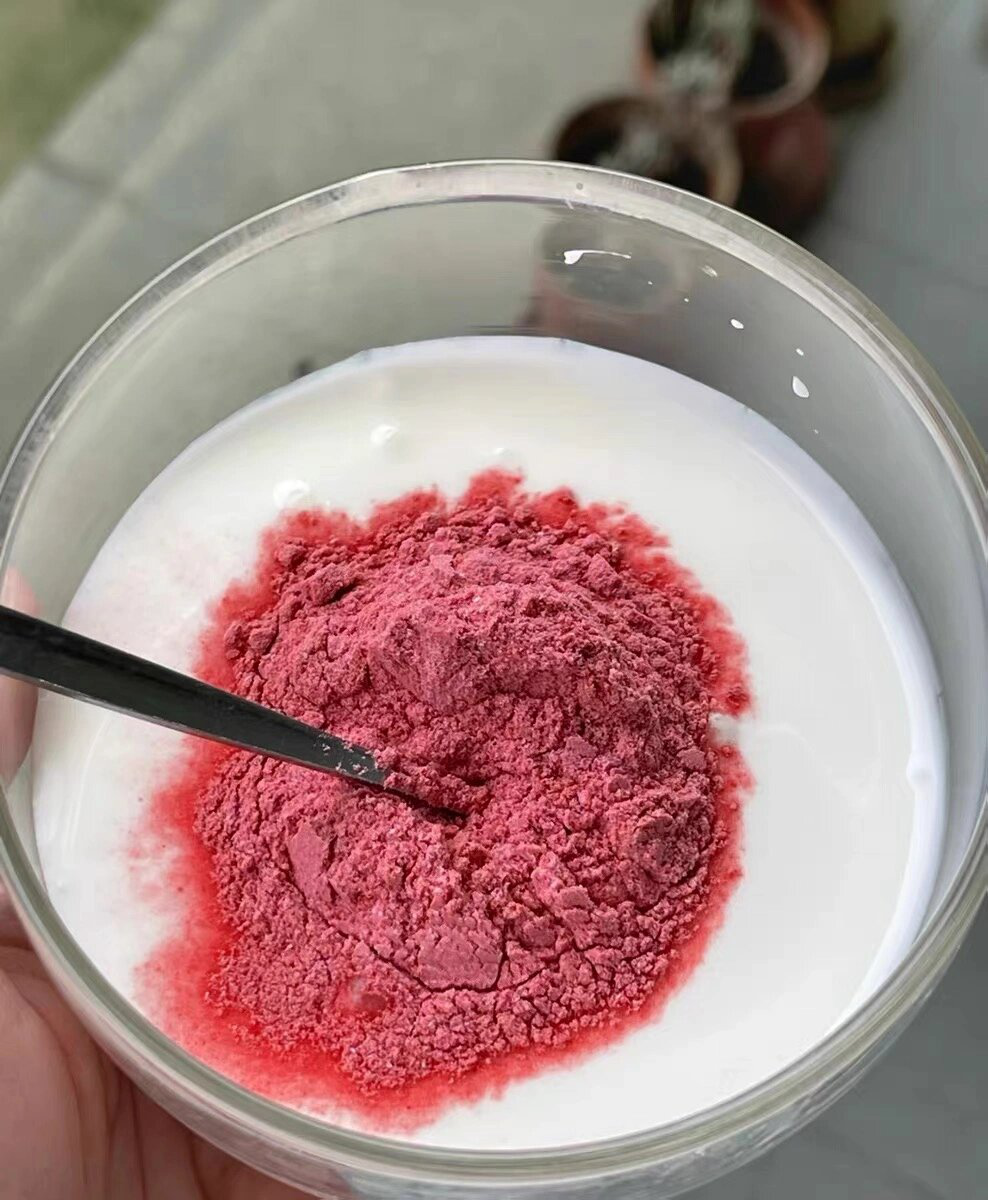
Combination with Vitamin C
To enhance non-heme iron absorption, co-consume beetroot powder with a source of vitamin C—such as orange slices (providing ~50 mg), kiwi juice (~62 mg/100 g), or a 100 mg supplement. This strategy can increase iron absorption from around 5% to over 15%, effectively tripling its nutritional impact.
Despite its advantages, certain contraindications must be observed:
Individuals with Impaired Kidney Function: Avoid entirely
Beetroot powder contains high levels of potassium (~1500 mg/100 g). Those with compromised renal function may be unable to excrete excess potassium efficiently, risking hyperkalemia, which can lead to cardiac arrhythmias or arrest. Patients with elevated creatinine or diagnosed kidney disease should refrain from use.
Patients with Calcium Oxalate Kidney Stones: Exercise caution
Although oxalate content is moderate (~150 mg/100 g), individuals predisposed to calcium oxalate stones should avoid additional dietary oxalates, as they may promote stone formation. Consultation with a healthcare provider is advised before use.
Individuals with Hypotension: Use with caution
Due to its vasodilatory effects, beetroot powder may lower blood pressure further in individuals already suffering from hypotension (systolic <90 mmHg). If used, initiate with a low dose (e.g., 5 g/day) and monitor for symptoms such as lightheadedness or instability.
Known Allergy to Beets: Strict avoidance required
Though rare, allergic reactions—including skin rashes and gastrointestinal distress—have been reported. Individuals with a known sensitivity to beets should not consume beetroot powder.
In conclusion, beetroot powder is not a panacea, but rather a targeted nutritional supplement with evidence-based benefits. It can help alleviate fatigue in sedentary individuals, support digestive health, aid in plant-based iron repletion, and enhance athletic performance. Optimal use involves dissolving 10–15 g in warm water daily and combining it with vitamin C. However, individuals with kidney dysfunction, hypotension, or a history of calcium oxalate stones should avoid it. Rather than being a “trend tax,” it is a rational addition to a personalized health regimen—if aligned with individual needs. Otherwise, routine supplementation is unnecessary.
Contact: Serena Zhao
WhatsApp&WeChat :+86-18009288101
E-mail:export3@xarainbow.com
Post time: Dec-09-2025