
I. Basic Information
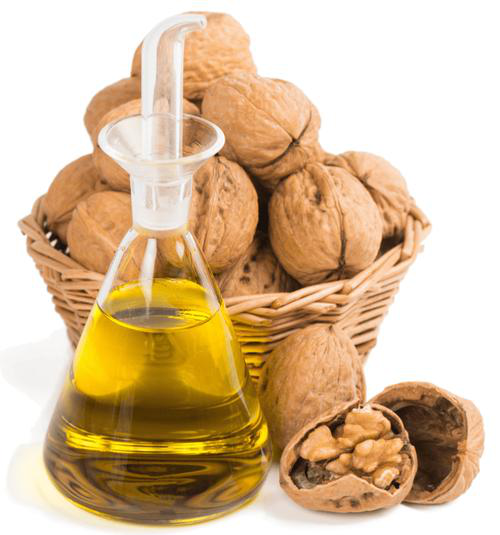
Raw materials : Walnut Juglans regia L., defatted walnut meal after oil extraction from walnut kernels (main industrial raw material); The crude protein in walnut kernels is approximately 15 to 20%, while the protein in defatted meal can reach 42% to 54%
“Product type
Walnut concentrated protein: Protein content 50% to 70%
2. Walnut protein isolate (WNPI) : Protein content ≥80%, higher purity, commonly used in foreign trade
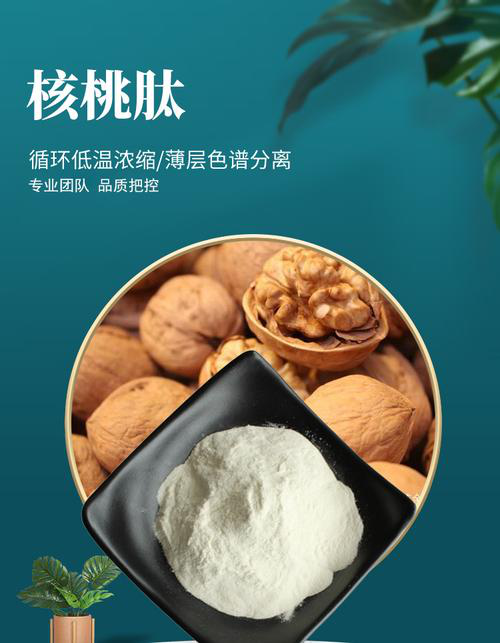
Appearance : Light beige to light brown powder, with a faint nutty aroma
The mainstream extraction process: alkali dissolution and acid precipitation method
Defatted walnut powder → dilute alkali dissolves protein → Centrifuge to remove residue → Adjust pH to isoelectric point (pH4.8-6.8) for protein precipitation → Water washing neutralization, dialysis, spray/freeze-drying; It can also be combined with ultrasound-assisted extraction to increase the yield
Ii. Protein Components and Amino Acids
Proteins are classified into four major categories: gluten accounts for approximately 70% (the main component), globulin about 17%, albumin about 7%, and gliadin about 5%
It contains a total of 18 kinds of amino acids, including all 8 essential amino acids for the human body. The content of glutamic acid and arginine is outstanding. Arginine is beneficial to blood vessels. The limiting amino acid is methionine (a sulfur-containing amino acid).
The true digestibility is approximately 86.22%, with a high biological value. It is a high-quality plant protein and is suitable for vegetarians
Iii. Physical and Chemical Properties
Isoelectric point: pH 4.8-6.8. Near the isoelectric point, solubility is extremely poor and it is prone to precipitation. The improvement of solubility away from the isoelectric point is a difficult point in the formula. Enzymatic hydrolysis/physical modification is often carried out to enhance solubility and emulsification
Thermal denaturation: The denaturation temperature of globulin is approximately 84℃; High-temperature and prolonged heating can easily lead to protein denaturation and aggregation
Functional characteristics: Emulsifying, gelling and water-holding properties; The natural state has weak emulsification and solubility, but it is significantly improved after modification
Molecular weight: Subunits are mostly distributed in the range of 14.4 to 66.2 kDa for PMC
Iv. Biological Activity
1. Antioxidant and free radical scavenging; The walnut polypeptides after enzymatic hydrolysis have stronger activity
2. Anti-inflammatory and immune-regulating; Animal studies have shown potential for improving intestinal inflammation
3. It contains high levels of arginine, and research suggests it is beneficial for vascular health. There are also basic researches related to anti-fatigue and neuroprotection
V. Application Fields
1.Dietary Supplements : Plant protein powder, protein bars, meal replacement, vegetarian nutritional powder; Paired with walnut peptides; Suitable for middle-aged and elderly people, as well as those who exercise and follow a vegetarian diet
2.Functional foods : plant-based milk, baked goods, nutritious grains, artificial meat; Modified walnut protein can be used as an emulsifier and film-forming material
3. Carrier Application (Frontier) : Nano-carriers encapsulate active substances such as curcumin to enhance stability and bioavailability
4. Cosmetic ingredients (small amount) : Protein moisturizing, film-forming
Contact:Judy Guo
WhatsApp/we chat :+86-18292852819
E-mail:sales3@xarainbow.com
Post time: Nov-04-2026