
I. Basic Physical and Chemical Properties
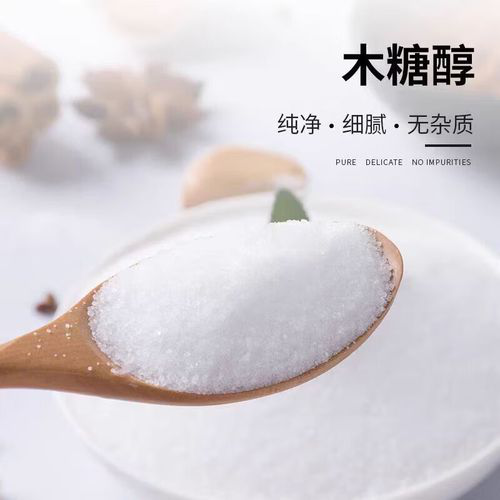
Appearance: White crystals or crystalline powder, almost odorless, with a sweetness close to that of sucrose (sweetness ≈ 90% to 100% of sucrose)
Calories: 2.4 kcal/g, sucrose is 4 kcal/g, and the calories are approximately 60% of white sugar
Characteristics: Highly soluble in water, absorbs heat during dissolution, and gives a cool sensation when entering the mouth. It will not undergo Maillard Browning and is not easy to color during baking. The GI (Glycemic Index) is very low, ranging from 7 to 13, and the GI of sucrose is approximately 65。
It has a melting point of 94 to 97 degrees Celsius, is stable in nature and resistant to high temperatures
Ii. Source
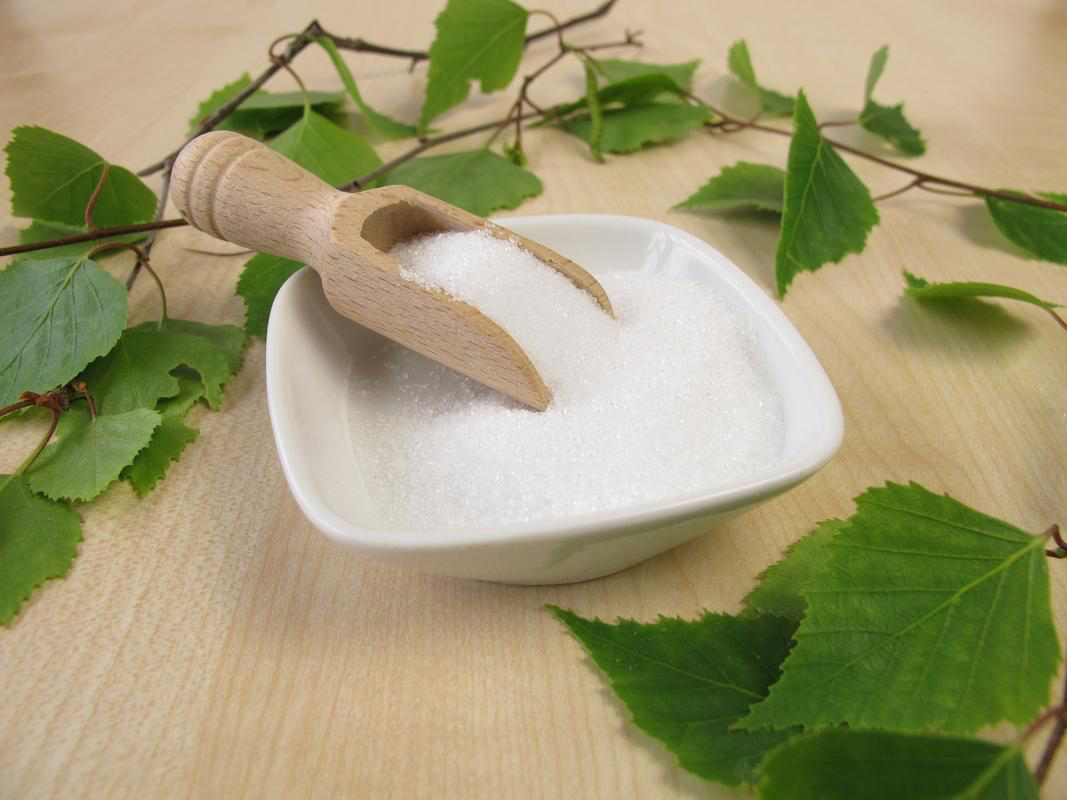
1. Naturally occurring : Found in small amounts in strawberries, plums, pears, cauliflower, birch bark, corn cobs, and sugarcane bagasse; The liver of the human body can also produce a small amount of xylitol during its own metabolism
2. Industrial production : Modern industrialization mainly uses agricultural and forestry waste such as corn cobs, cottonseed hulls, and sugarcane bagasse, which are first hydrolyzed to obtain xylose and then catalyzed by hydrogenation reduction to produce xylitol. It is not directly extracted from birch bark (in the past, extracting from birch trees was costly).
Iii. Metabolic Characteristics within the Body
The small intestine only absorbs about 50% to 70%, while the remaining 30% to 50% directly enters the large intestine and is fermented by the intestinal flora.
The absorbed part is mainly metabolized in the liver. ** Insulin is not needed in the early stage of metabolism **, so it has little impact on blood sugar fluctuations and is suitable for diabetics as a sweet substitute. However, after consuming a large amount, insulin is still needed in the later stage of metabolism and continues to provide calories. One cannot eat it indefinitely. China News Service
Final metabolites: carbon dioxide + water
Iv. Core Advantages
1. Tooth protection and caries prevention (the most classic function)
Oral cariogenic bacteria (Streptococcus mutans) cannot ferment xylitol to produce acidic substances and will not erode tooth enamel. It can also stimulate saliva secretion, neutralize oral acidity and reduce dental plaque. It is often used in sugar-free chewing gum, toothpaste and mouthwash. ⚠️ can only prevent tooth decay, but cannot repair cavities that have already formed come to the doctor
2. Low glycemic index, suitable for people who want to control their blood sugar
With an extremely low GI, the increase in blood sugar when consumed in small amounts is much smaller than that of white sugar. It is one of the most commonly used sugar substitutes in sugar-free foods.
3. Good taste
Its sweetness is close to that of white sugar, and it does not have the obvious cold and bitter aftertaste of erythritol. It can be directly used as a substitute for white sugar in beverages, candies, and baking
V. Main Application Fields
1.Food : Sugar-free chewing gum, sugar-free candies, chocolate, biscuits, yogurt, beverages; Baking (Disadvantages: cannot ferment, cannot be used to make yeast bread , will inhibit yeast)
2. Daily Chemical and Oral Care : Toothpaste, mouthwash, oral spray
3. Pharmaceuticals : Some oral preparations, infusions, lozenges, etc
Xylitol is a low-calorie sugar alcohol with a sweetness close to that of sucrose. It has a minor impact on blood sugar and a good effect in preventing tooth decay. It is widely used in sugar-free foods and oral care products。
Contact:Judy Guo
WhatsApp/we chat :+86-18292852819
E-mail:sales3@xarainbow.com
Post time: Sep-20-2026