
Millet powder is a kind of powdery food material made from millet (millet), a gramineous plant, after shelling and grinding. It is gluten free, low GI (about 54), rich in B vitamins and iron and zinc, and has the effects of strengthening the spleen and stomach, nourishing yin and blood. It is suitable for pastry making and special dietary needs.
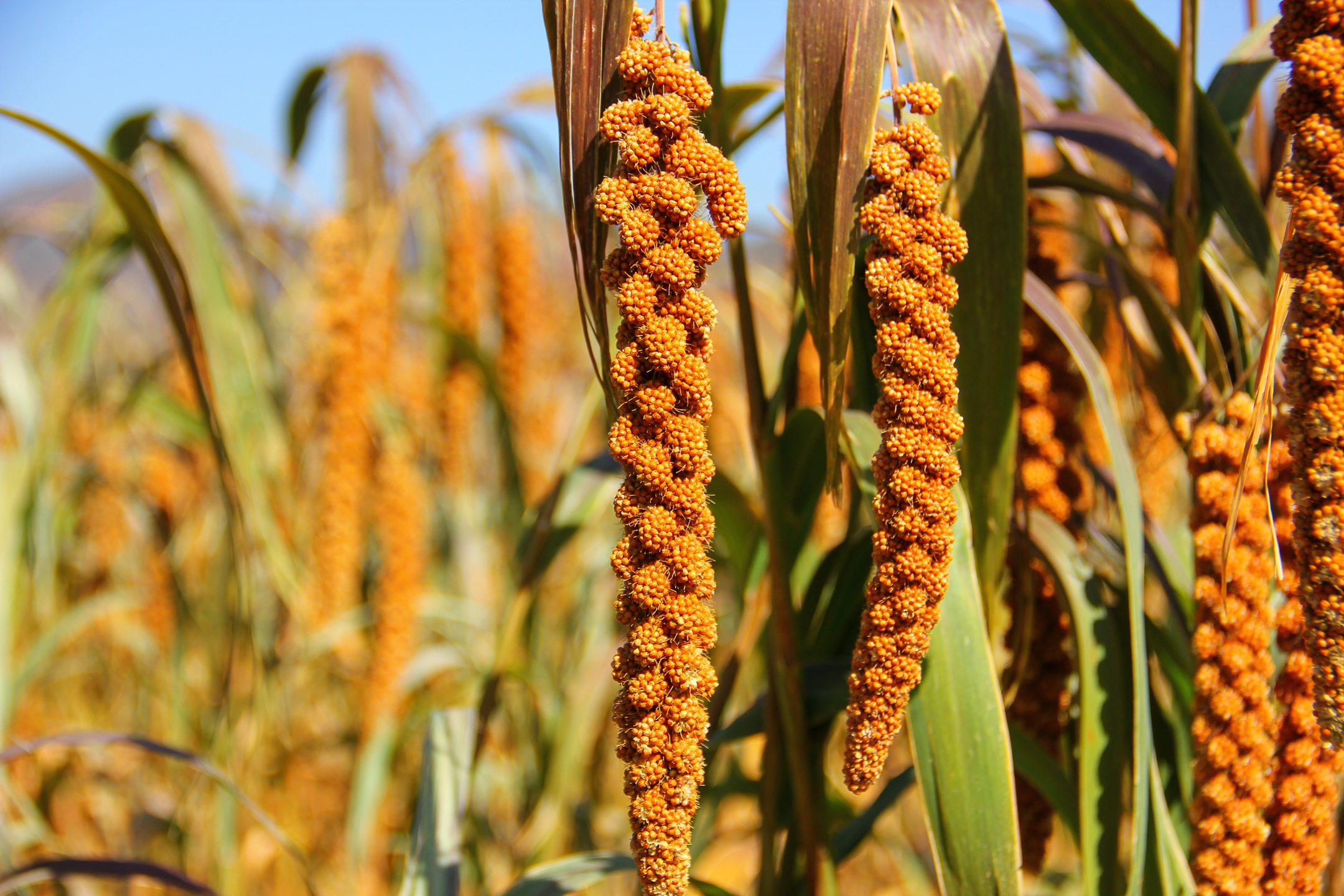
Definition and Characteristics
Source of raw materials: millet (millet) is directly ground into “Rice powder”, which is not made of rice. Their raw materials and uses are quite different.
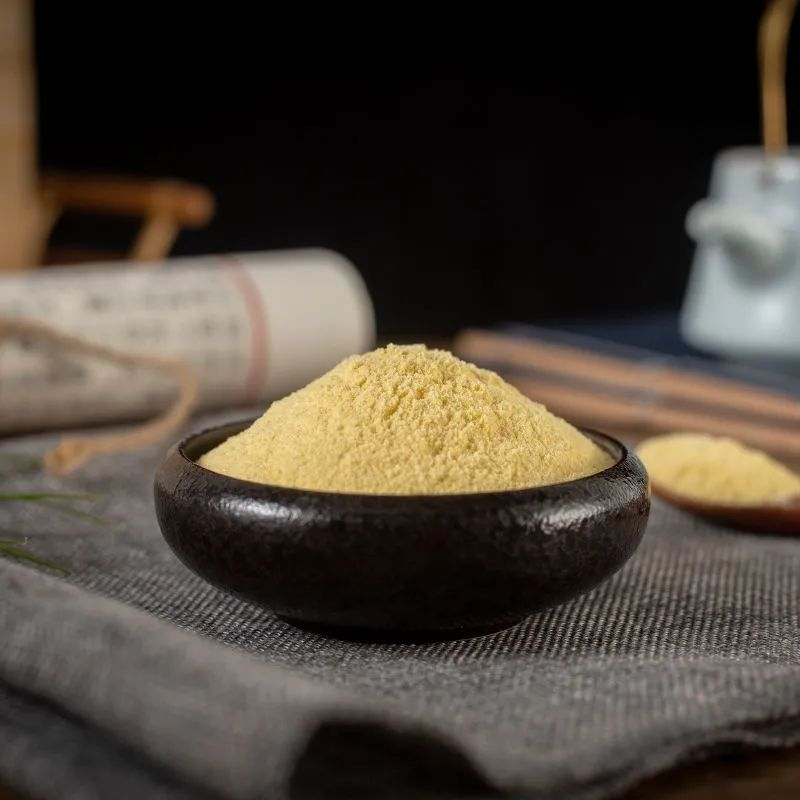
Physical properties: Natural light yellow, powder fineness depends on the process (stone milling retains the embryo for a more fragrant taste, ball milling modifies it finer), gluten free, unable to form strong gluten dough alone.
Key indicators: glycemic index of about 54 (low glycemic index), energy content of about 357kcal per 100g, protein of 7.2g, iron of 6.1mg, and vitamin B1 of 0.13mg.
Nutritional composition and efficacy
Basic nutrition: Rich in carbohydrates to provide energy, with higher protein content than rice but lower lysine content, it needs to be combined with legumes to improve utilization efficiency; Containing minerals such as calcium, iron, zinc, magnesium, etc.
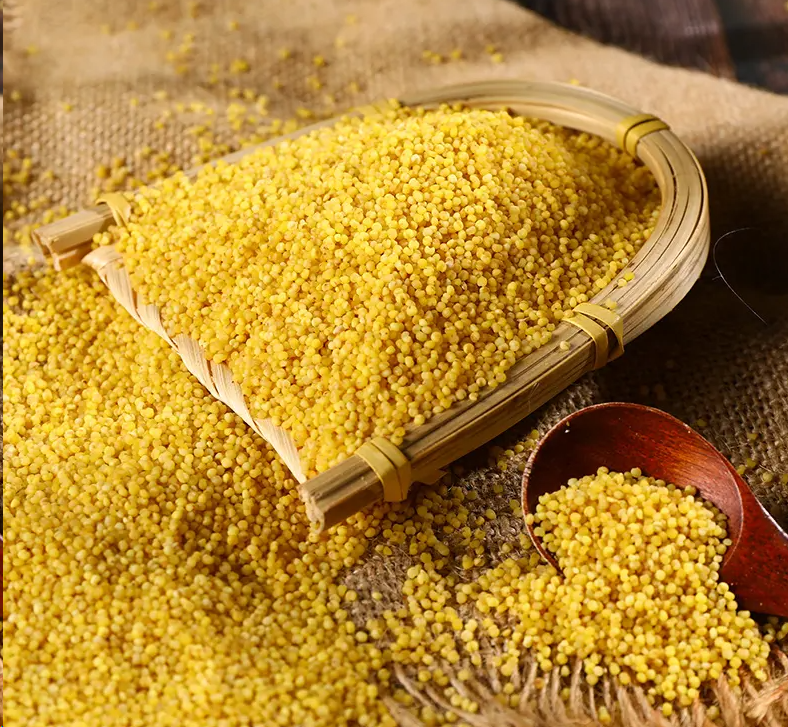
Health benefits:
Strengthening the spleen and stomach: slightly cold in nature and sweet and salty in taste, it can relieve anorexia, and is suitable for people with weak spleen and stomach (it is recommended to ferment or cook Congee).
Nourishing Yin and Nourishing Blood: Rich in iron, it can assist in improving iron deficiency anemia and is suitable for postpartum or physically deficient individuals for recuperation.
Soothing and Sleep Aid: Contains tryptophan, which helps promote sleep. People with neurasthenia can pair it with lilies.
Sugar control and heart care: low glucose content is suitable for diabetes patients to replace some staple foods; Potassium helps regulate blood pressure.
Common consumption methods and combinations
Production of pure grain: because there is no gluten, it is easy to disperse when made alone, and it often needs to mix with wheat flour (3:7 or 1:1) to make Steamed Chinese sponge cake, steamed bread, pancake, and noodles.
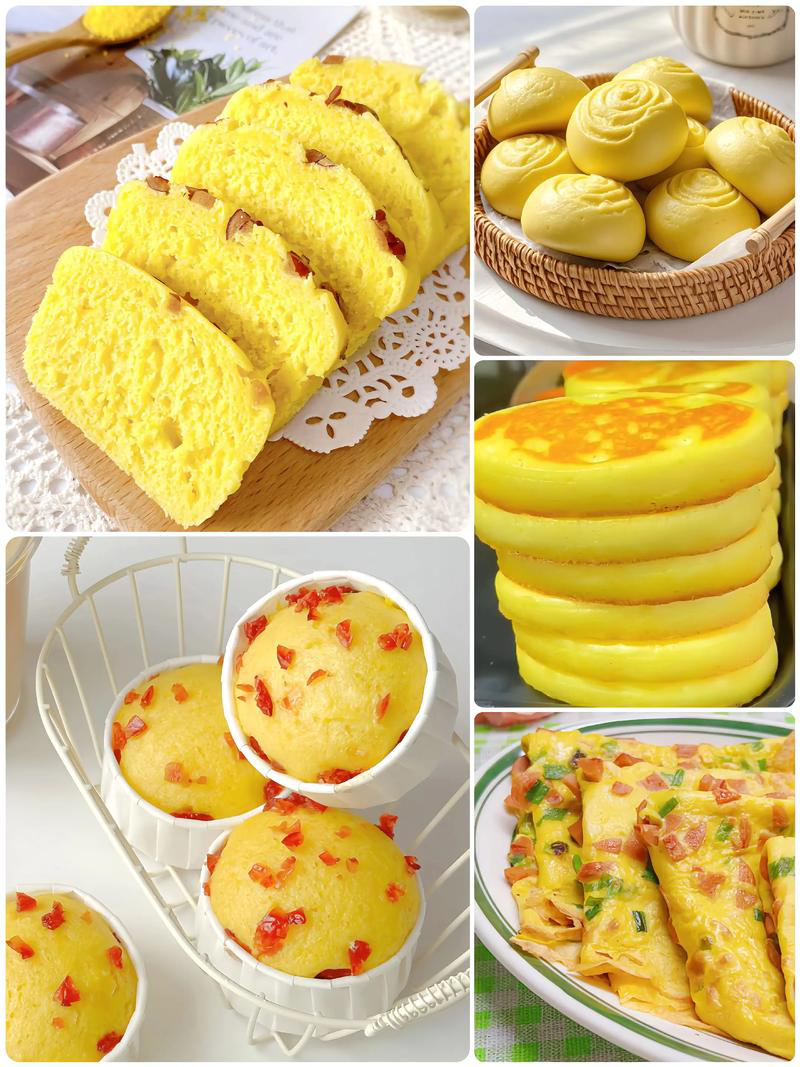
Classic recipe:
Steamed cake/Steamed Chinese sponge cake: mixed with corn flour or pumpkin puree, fermented with yeast and steamed, with a fluffy taste.
Pancake: Mix into a flowing batter, spread with eggs, golden and crispy.
powder: Mix and roll with high gluten flour, quickly boil to prevent breakage.
Mix and paste: Infant and toddler complementary foods often undergo gelatinization treatment and need to be thoroughly cooked to remove any graininess.
Suggested pairing: It is advisable to eat with beans, meat, eggs, milk, or dark vegetables to compensate for amino acid deficiencies and promote iron absorption;
Do not eat with almonds.
Selection, Storage, and Taboos
Key points for purchase: Identify that the ingredient list only contains “millet”, and choose the low-temperature/stone grinding process to preserve the embryo; Distinguish “millet flour” (miscellaneous grain flour) and “millet powder” (infant complementary food).
Storage method: Sealed, moisture-proof, and light proof to prevent fat oxidation and the production of “halal flavor”. It is recommended to consume it in a short period of time.
Taboo precautions:
Physical limitations: Individuals with a cold constitution and clear urine tend to consume less food; Avoid using it for those with qi stagnation.
Digestive adaptation: For those with weak gastrointestinal function, it is necessary to control the amount or choose fermented products when consuming for the first time; Patients with diabetes should be included in the total staple food.
Nutritional balance: Low lysine content, cannot be used as a staple food for a long time, requires diversified combinations.
Contact:
Serena Zhao
WhatsApp&WeChat :+86-18009288101
E-mail:export3@xarainbow.com
Post time: Aug-20-2026