
Chlorophyll, a widely distributed green pigment in plant leaves, can be transformed into a stable derivative, namely sodium copper chlorophyllin, after specific processing techniques. The production of this substance is not simply extraction, but involves industrial preparation through multiple chemical reactions and purification processes. From raw material selection to final product formation, strict control of conditions is required at every stage to ensure the chemical stability and applicability of the product. As a type of modified natural pigment, sodium copper chlorophyllin has demonstrated unique value in multiple industrial fields, and its preparation process and application scope together form a coherent technical system.
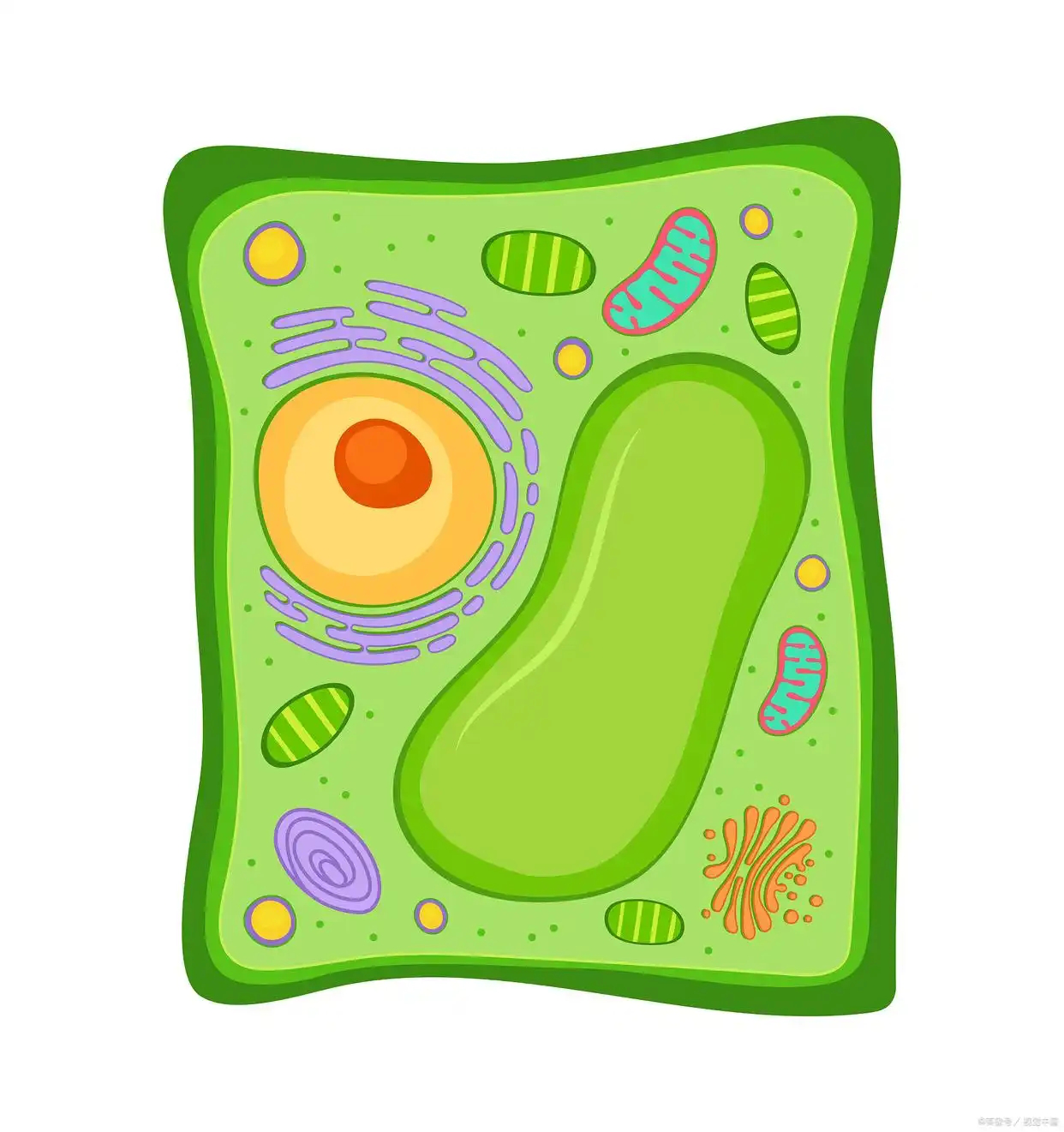
The production process begins with the screening and pretreatment of raw materials. Usually, plant materials rich in chlorophyll, such as silkworm excrement or alfalfa, are selected and cleaned, dried, and crushed to form raw material powders that are easy to handle. Subsequently, saponification reaction is carried out in alkaline medium to break the phytol side chain in chlorophyll molecules and generate chlorophyllin acid. The key to this step lies in controlling the reaction temperature and time to avoid excessive damage to the pigment structure. Subsequently, copper ions are introduced into chlorophyll acid molecules under acidic conditions, and chlorophyll copper acid is formed through displacement reaction, which is called copper substitution reaction. The introduction of copper ions not only enhances the chemical stability of the pigment, but also changes its color from green to dark green or blue-green, which is an important characteristic identification of the product.
After copper substitution reaction, the mixture needs to undergo multi-stage purification to remove impurities. Common purification methods include solvent extraction, filtration, and crystallization. Solvent extraction utilizes the solubility differences of different substances in organic solvents to separate the target product; Filtering removes insoluble solid particles; The crystallization step further improves the purity of the product and forms a uniform powder or particle morphology. By drying and standardizing, the moisture content and particle size of the product are adjusted to meet the physical requirements of different application scenarios. Throughout the entire production process, the material of the reaction vessel, stirring speed, pH value, and other parameters need to be precisely controlled, which together determine the quality consistency of the final product.
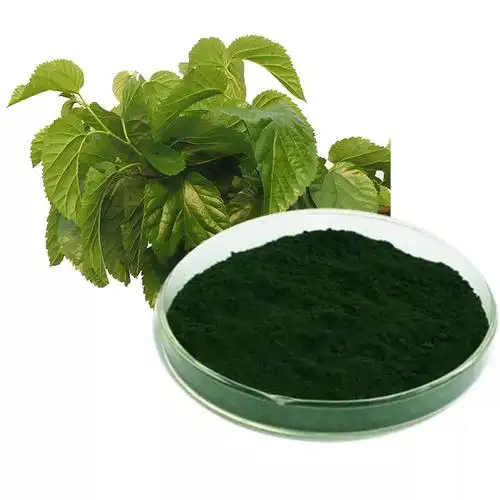
The application of sodium copper chlorophyllin is based on its stable coloring properties and relatively safe characteristics. In the food industry, it is used as a natural pigment for coloring products such as pastries and beverages, providing a color spectrum from blue-green to dark green. Different from synthetic pigments, this type of coloring agent has better photostability under specific conditions. In the field of daily chemical products, this substance is used for dyeing products such as toothpaste and soap, and its color persistence has received attention. In a few industrial materials, it may also serve as an indicator or coloring component, but such applications must strictly comply with relevant industry standards. It is worth noting that each application has specific requirements for the purity, color value, and solubility of the product, so the manufacturer will adjust the process parameters according to downstream demand.

The production and application of sodium copper chlorophyllin reveal a core fact: the industrial transformation of natural substances often requires a balance between chemical modification and physical treatment. Each stage in the production process – from raw material degradation to metal ion integration, and then to purification and molding – is essentially the process of converting biologically derived materials into standardized industrial products. The successful application of these modified pigments in fields such as food and daily chemical products proves their effectiveness in meeting the demands of modern industry. In the future, with the continuous optimization of extraction technology and purification processes, the production efficiency of such derivatives is expected to be further improved, but the premise is to always follow scientific principles and industry standards to ensure the safety and reliability of technology implementation.
Contact:
Serena Zhao
WhatsApp&WeChat :+86-18009288101
E-mail:export3@xarainbow.com
Post time: Sep-24-2026