
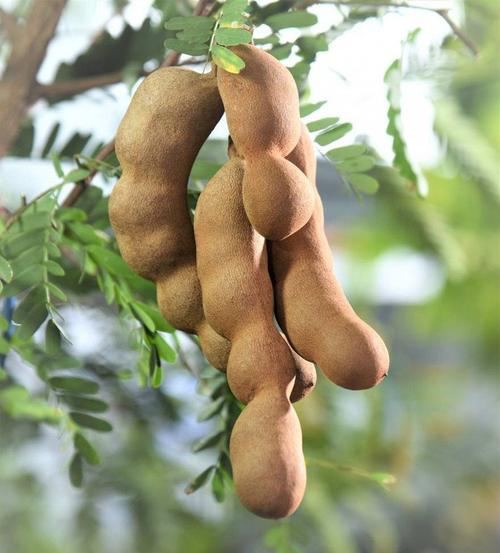
Tamarindus indica L., also known as sour bean, sour horn or sour plum, is an evergreen tree of the genus Tamarindus in the Fabaceae family. It is native to tropical Africa and later spread to India, Southeast Asia and tropical and subtropical regions around the world. The following is a detailed introduction from five aspects: plant characteristics, edible value, medicinal value, economic value and other uses:
一: Edible Value
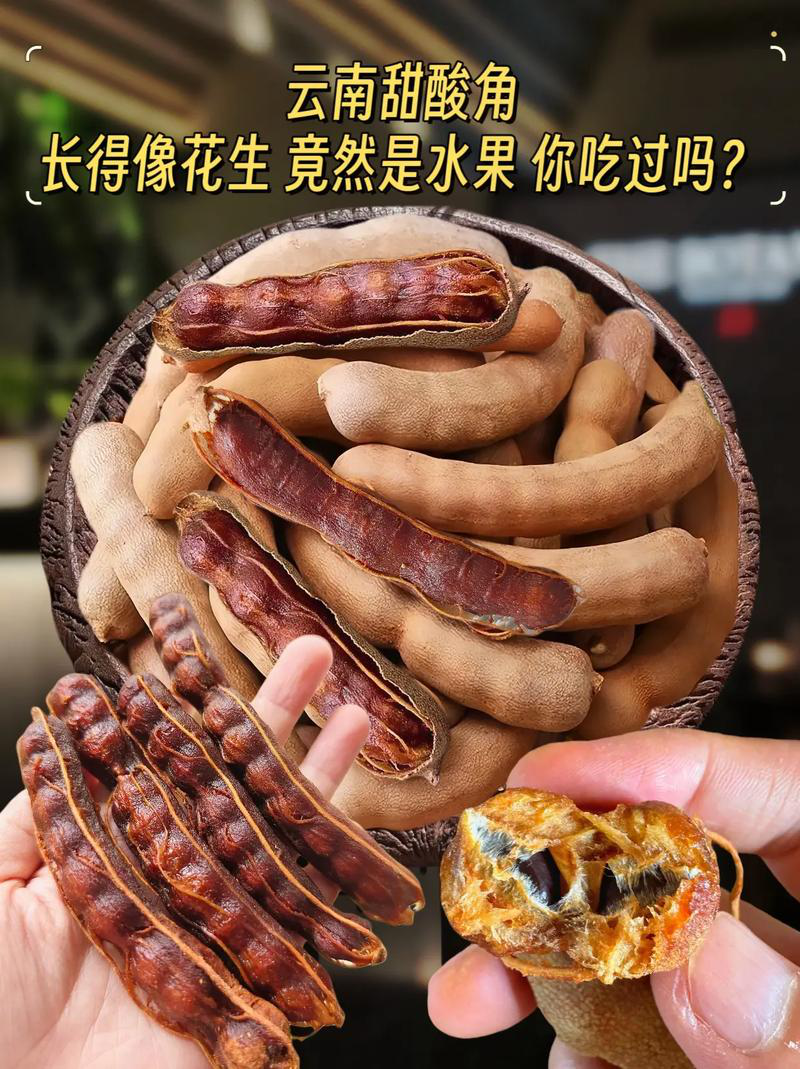
The mature flesh is sweet and sour, and can be eaten fresh directly or processed into juice, jam, preserved fruit, syrup, etc.
Seasonings: In Southeast Asia, India and other places, tamarind is an important sour seasoning, used to make curry powder, satay sauce, desserts and refreshing beverages, giving food a unique flavor
Nutritional value: Rich in B vitamins (B1, B2, B3), vitamin E, minerals such as calcium, potassium, phosphorus, iron, and magnesium, as well as dietary fiber and antioxidants (such as vitamin C and flavonoids), it helps to supplement nutrition, promote digestion, relieve constipation, beautify the skin, and assist in weight loss.
二:Medicinal value
1:Traditional uses
Clearing heat and relieving summer heat: It is used for thirst caused by insufficient body fluids after heatstroke and fever
Aiding digestion and eliminating food accumulation: Improving loss of appetite, malnutrition in children, and abdominal distension due to food accumulation
Moistening the intestines and promoting defecation: Treating constipation due to intestinal dryness or constipation in the elderly
Other functions: Relieve pregnancy vomiting and sore throat, and assist in regulating blood pressure and blood sugar (the amount consumed needs to be controlled).
2:Modern research
The polyphenols and vitamin C in tamarind have anti-inflammatory and antioxidant effects, which may help reduce the risk of chronic inflammation.
Potassium can promote the excretion of sodium ions and help maintain stable blood pressure.
3:Industrial use
Wood: It is hard and dense in texture, with fine grain, and can be used for construction, farm tools, furniture, etc
Textile and papermaking: Kernel powder can be used as a substitute for starch as a sizing agent for cotton fabrics or as a wet-end additive in papermaking
Cosmetics: Tamarind polysaccharides have water-retaining and film-forming effects and can be used in skin care products and cosmetics.
三:Economic value
The food industry: The pulp of tamarind can be processed into various food additives, such as acidulants, thickeners, stabilizers, etc
Pharmaceutical raw materials: Tamarind polysaccharides extracted from seeds have gelling and thickening properties and can be used to make capsule wall materials, drug sustained-release agents, etc. The seed coat contains tannin, which can treat dysentery and act as a natural antioxidant.
industrial use
Wood: It is hard and dense in texture, with fine grain, and can be used for construction, farm tools, furniture, etc.
Textile and papermaking: Kernel powder can be used as a substitute for starch as a sizing agent for cotton fabrics or as a wet-end additive in papermaking.
Cosmetics: Tamarind polysaccharides have water-retaining and film-forming effects and can be used in skin care products and cosmetics.
四:other purpose
Ornamental value: Tamarind has a thick crown and strong wind resistance, making it suitable for greening in coastal areas and dry and hot river valleys
Ecological value: In arid regions, tamarind can be used as a windbreak forest or a tree species for courtyard greening, improving the ecological environment.
Tamarind, with its rich nutrition, unique medicinal value and wide industrial applications, has already become a shining star in nature. It not only satisfies people’s pursuit of deliciousness and health, but also injects new vitality into the development of the social economy. With the continuous deepening of research on tamarind, we have every reason to believe that in the future, it will play a key role in more unknown fields and create more benefits for humanity. Let’s adopt a scientific attitude and innovative thinking to further explore the potential of tamarind and embrace a brighter future.
Contact:Judy Guo
WhatsApp/we chat :+86-18292852819
E-mail:sales3@xarainbow.com
Post time: Apr-16-2026