
Starch is an important component of food. When we chew rice, corn, and other foods, we feel a sweet taste because the amylase in saliva hydrolyzes starch into disaccharides, which are commonly known as maltose.
Starch mainly comes from grains, potatoes, and root crops.
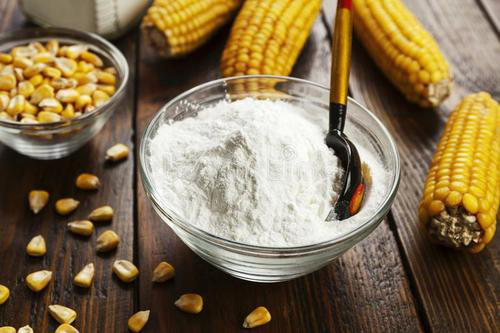
Although many foods are rich in starch, those with high starch content are mainly concentrated in crops such as grains, potatoes, and rhizomes. For example, corn contains 65% to 72% starch, while wheat contains 57% to 75% starch. The starch we see in the market is a polysaccharide powder obtained by separating proteins and other substances from these crops, with a main color of white or gray white.
Common types include corn starch, potato starch, cassava starch, pea starch, wheat starch, sweet potato starch, lotus root starch, and so on. The starch content, viscosity, transparency, and particle size of different ingredients vary. So, based on the characteristics of various starches, we can create amazing cuisine with different tastes. Let’s take a look at the differences between them together.
Corn starch
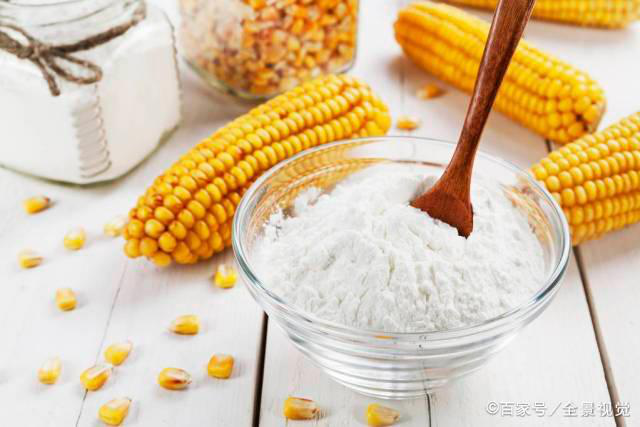
Corn starch is a white powder with a slight yellow tint. It is extracted from corn kernels through complex processes such as soaking, crushing, grinding, embryo separation, dehydration, and drying. It is also the most widely available and skilled starch used in home cooking on the market.
Corn starch is actually pure starch, which has strong thickening effect and moisture absorption, and also has the function of gel. There is a strange phenomenon in adding water to corn starch: it will harden in case of fast impact, and be stable in case of slow impact. So we need to grasp this characteristic and adjust it according to the cooking requirements.
Corn starch is commonly used in home kitchens to pickle meat, such as pork, beef, etc., to soften their texture, lock in the fresh juice inside the meat, and make the meat smoother, more tender, and delicious. Compared with other starches, corn starch has obvious advantages when used for thickening, with even juice and almost no sediment visible. The gel property of corn starch is sometimes used in pie filling. In addition, corn starch can reduce the gluten content of flour, so some bakers will add corn starch to the flour when making cakes to increase the softness of the cake.
Potato starch
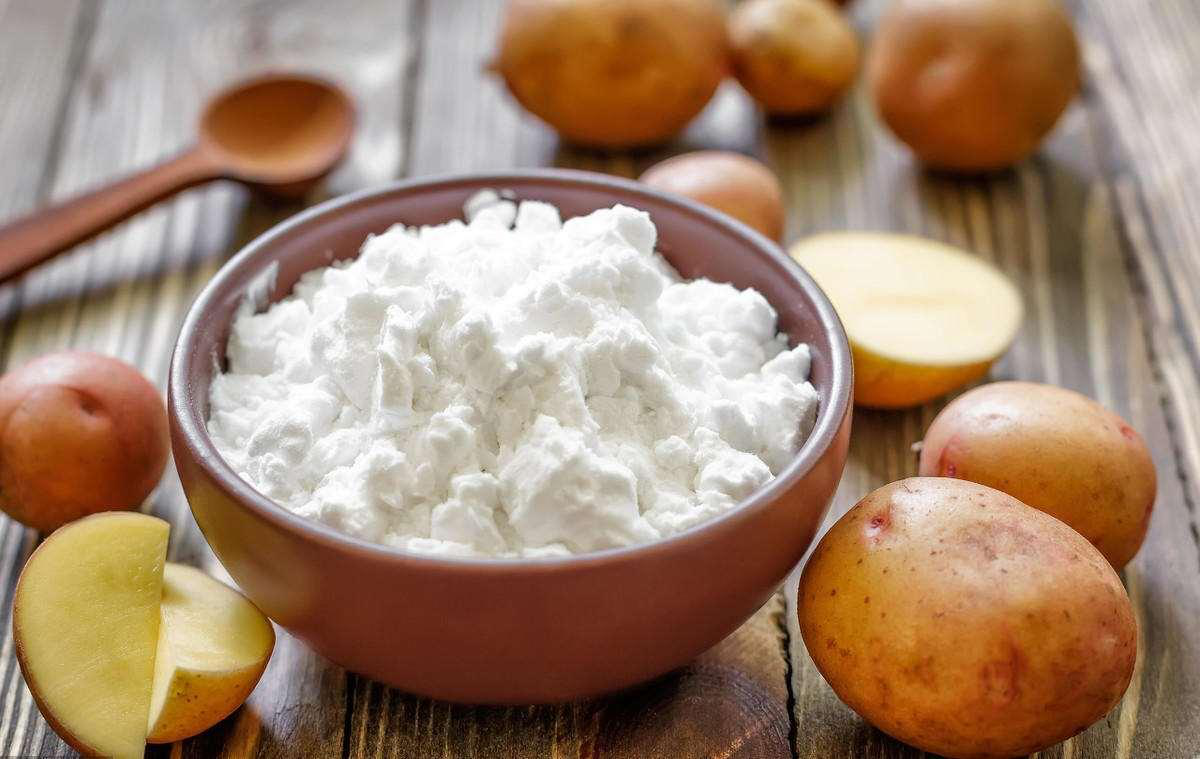
Potato starch is a white powder in color. It is a white powder made by cooking potatoes including potato skins, drying and finely grinding them together, with a distinct potato flavor. The advantages of potato starch are: high viscosity, good transparency and smoothness, and delicate texture; The disadvantage is poor water absorption and it is commonly used for thickening. The starch directly processed from raw potatoes is called “Taibai powder”, which is thicker than cooked potato starch.
Potato starch is also a commonly used cooking starch in households, and it is also the most stable starch for thickening. Although it has good sizing and pasting effects, potato starch will solidify into a transparent and viscous state when heated. Therefore, we must not directly heat water to mix or put it in hot food, as it will immediately solidify into blocks. The correct way is to mix it with cold water and then thicken it, so as to achieve the effect of thick soup and glossy food.
It is worth noting that after thickening with potato starch, the soup will become thinner and less concentrated than corn starch when cooled. Potato starch performs well in some baked goods, as it can retain moisture and increase the moisture of the pastry. Wangzai small Mantou and glutinous rice paper are also made from potato starch.
Cassava starch
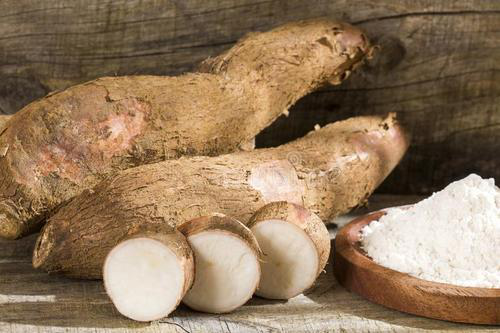
Cassava is the root tuber of Euphorbiaceae plants, mainly distributed in tropical regions. Cassava starch is a powder made by extracting and dehydrating cassava starch. Its characteristics are odorless, white in color, high viscosity, good film-forming ability of the paste, strong permeability, transparent after boiling, and relatively elastic.
Cassava starch, due to its high viscosity, can be used as a thickener, binder, puffing agent, and stabilizer in food formulations. It can also be applied in the production of extruded snacks and cassava beads. For example, pudding, cake, and pastry filling are all foods that require precise flavor adjustment with cassava starch. There are also chewing gum, sago, jelly, taro balls, pearls in pearl milk tea, and sweet potatoes that cannot be separated from cassava starch. Fish ball Rice-meat dumplings mixed with cassava starch can increase the taste of Q ball.
Sweet potato starch
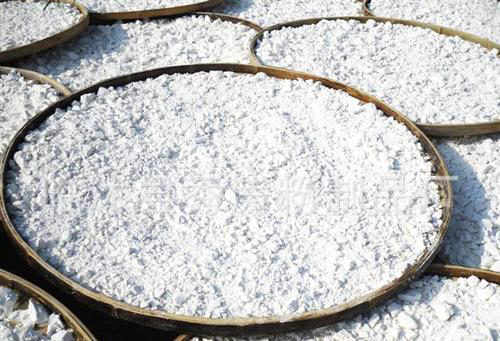
Sweet potato starch, also known as sweet potato starch or sweet potato starch, is made by grinding sweet potatoes using traditional stone milling, filtering to remove residue, and then precipitating and drying them multiple times. There are many varieties of sweet potatoes, and the starch content varies greatly among different varieties. This is why some of the steamed sweet potatoes we usually eat have a fragrant and firm texture, while others have a loose and light taste. Sweet potato starch is a grayish white powder with strong water absorption ability, rough particles, poor luster and viscosity, and difficult to control viscosity.
According to the characteristics of sweet potato starch, it is generally not recommended to use concentrated sweet potato starch for sizing and thickening. Due to the smooth texture of sweet potato starch after gelatinization, it is commonly made into sweet potato vermicelli, vermicelli, vermicelli, etc., becoming an ideal ingredient for winter hotpot and an important ingredient for young people’s favorite sour and spicy noodles. If sweet potato starch is used as coating powder for frying food, its effect is better than other starches.
① Although each starch has its own characteristics, they can not only be used alone, but sometimes combined with each other to complement each other’s strengths and weaknesses, which may result in unexpected effects. For example, when making shrimp dumplings, using only cornstarch is not enough to make them chewy. You can add cassava starch appropriately to increase the chewy texture, and the same goes for making ice skin mooncakes.
② In terms of consistency, the order of light exposure strength is as follows: potato starch and cassava starch are the best, followed by corn starch, sweet potato starch is gray, and wheat starch has poor transparency and is also the thinnest. Therefore, our first choice for thickening is potato starch and corn starch, and cassava starch is not convenient to purchase.
Contact:
Serena Zhao
WhatsApp&WeChat :+86-18009288101
E-mail:export3@xarainbow.com
Post time: Sep-21-2026