
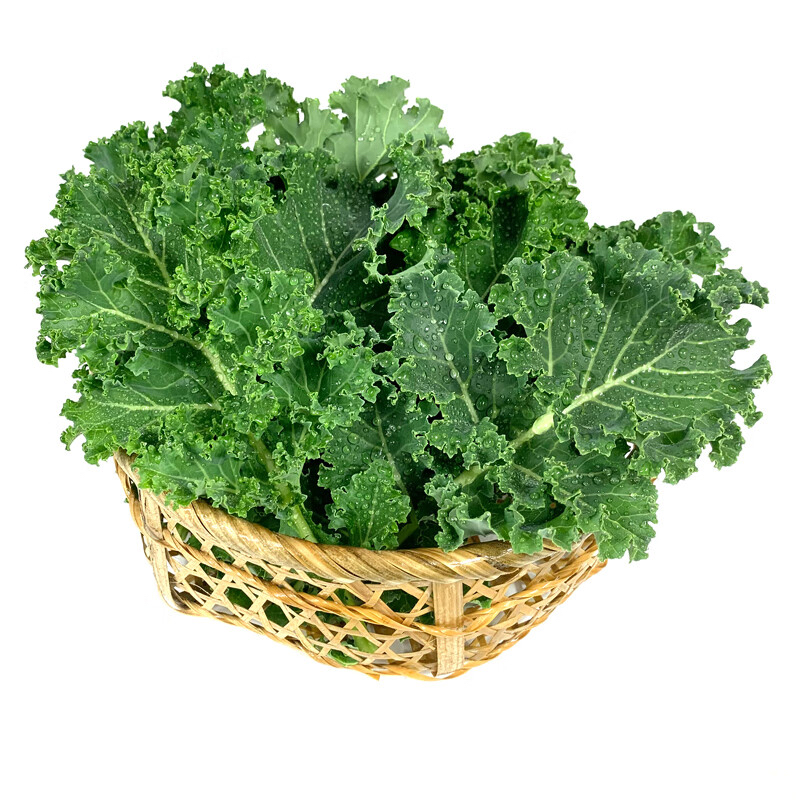
Kale powder is a nutrient-dense, dehydrated powder made from fresh kale leaves (Brassica oleracea var. acephala), a leafy green cruciferous vegetable. It’s a convenient way to add concentrated greens to your diet without the hassle of fresh produce preparation.
What Is It & How It’s Made
Kale powder is produced through these key steps:
Harvest & Prep: Fresh kale (curly, Lacinato/dinosaur, or red Russian varieties) is washed, de-stemmed, and sometimes lightly blanched
Drying: Low-temperature air-drying (50–60°C) or freeze-drying (preserves ~97% nutrients) removes moisture
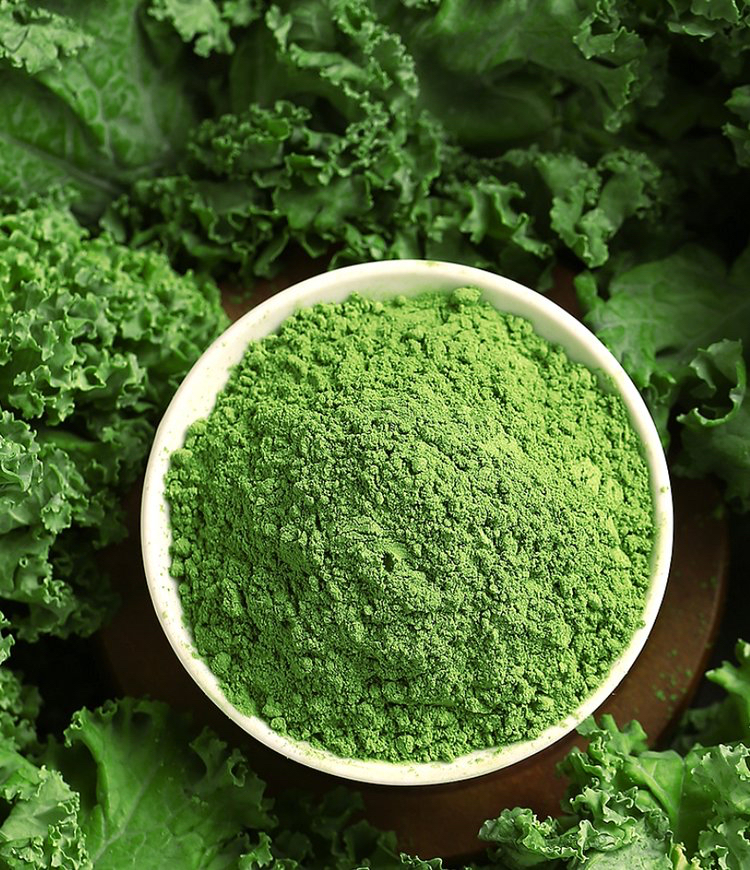
Milling: Dried leaves are ground into a fine, vibrant green powder (80–120 mesh for smooth texture)
Packaging: Sealed in airtight containers for long shelf life (up to 24 months)
Key Nutritional Profile (per 100g)
Kale powder is nutrient-concentrated (per gram, often higher than fresh kale):
|
Nutrient |
Content |
Benefit |
| Vitamin K | 1000–2000% DV | Blood clotting, bone health |
| Vitamin A | 500–800% DV | Vision, immune function |
| Vitamin C | 150–250% DV | Antioxidant, collagen |
| Calcium | 15–20% DV | Bone strength |
| Iron | 10–15% DV | Oxygen transport |
| Fiber | 30–40g | Digestive health |
| Glucosinolates | High | Detox support |
| Carotenoids | Lutein, zeaxanthin | Eye health |
Health Benefits
Powerful Antioxidant: Fights free radicals, reduces oxidative stress
Immune Support: High vitamins A/C boost immune cell function
Bone Health: Vitamin K + calcium support bone density
Heart Health: Fiber + potassium help regulate blood pressure/cholesterol
Detoxification: Glucosinolates activate liver detox enzymes
Digestive Support: Insoluble fiber feeds gut microbiome
Weight Management: Low-calorie, high-fiber promotes satiety
Common Applications
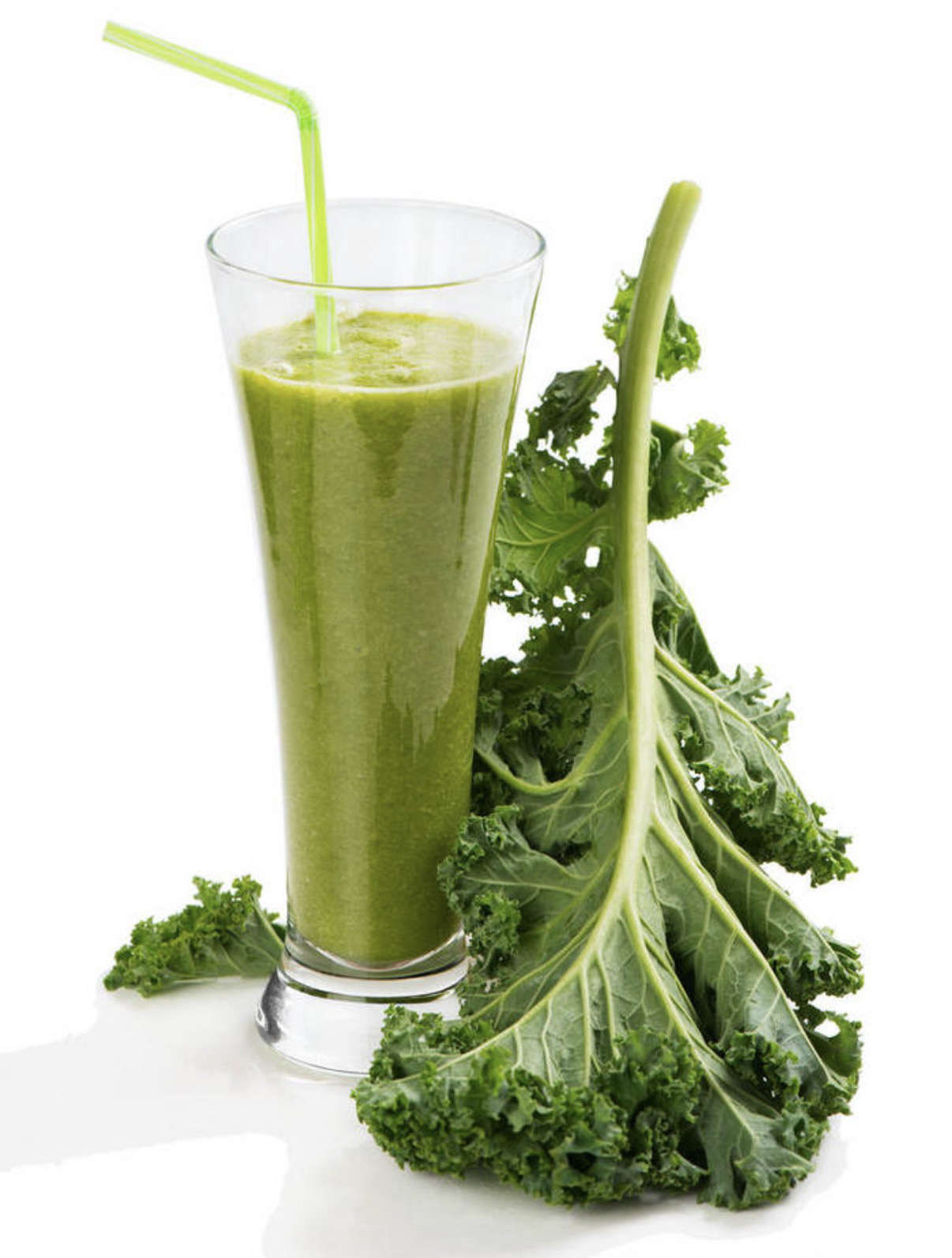
Smoothies & Juices: 1–2 tsp boosts nutrition without altering flavor
Baked Goods: Add to breads, muffins, energy bars for green color/nutrients
Soups & Sauces: Stir into pasta sauces, curries, or dips
Seasonings: Mix with herbs/spices for nutrient-rich seasoning blends
Supplements: Capsules or standalone powder for daily greens support
Plant-Based Recipes: Enhance nutrition in vegan/vegetarian dishes
Kale Powder vs. Fresh Kale: Quick Comparison
Common Applications
Kale Powder vs. Fresh Kale: Quick Comparison
|
Aspect |
Kale Powder |
Fresh Kale |
| Convenience | High (no prep, long shelf life) | Low (washing, chopping, short shelf life) |
| Nutrient Density | Higher per gram (concentrated) | Lower per gram (high water content) |
| Vitamin C | 30–60mg/100g | ~120mg/100g |
| Vitamin K | Extremely high | High |
| Satiety | Lower (less volume) | Higher (chewing + fiber bulk) |
| Cost | Higher | Lower |
| Storage | Room temperature (airtight) | Refrigerated |
Safety & Precautions
1.Vitamin K: High intake may interfere with blood thinners (warfarin); consult a doctor
2.Thyroid: Cruciferous vegetables contain goitrogens; excessive intake may affect thyroid function (cooking reduces this risk)
3.Kidney Stones: High oxalate content; caution for those prone to kidney stones
4.Dosage: 1–3 tsp (5–15g) daily is typical for most adults

What are the applications of kale powder?
Daily drinks:Mix into water, milk, smoothies and fruit juices.
Food cooking:Add to porridge, soup, pasta, bread and pastries
Health supplements:Made into powder sachets or capsules for nutritional supplementation.
Functional food:Used in energy bars, meal replacement shakes and slimming food.
Cosmetic raw material:Added to skincare products for antioxidant care.
If you are interested in our product or need samples to try, please do not hesitate to contact me at any time.
Email:sales2@xarainbow.com
Mobile:0086 157 6920 4175(WhatsApp)
Fax:0086-29-8111 6693
Post time: Jun-22-2026