
In the world of seasonings, few ingredients are as versatile and essential as onion powder. From home kitchens to commercial food production, this dehydrated powerhouse has become a staple, elevating dishes with its concentrated, warm onion flavor while offering unmatched convenience. As demand for time-saving, flavor-enhancing ingredients continues to rise—driven by busy lifestyles and the global growth of the processed food industry—we’re addressing the top 4 questions consumers and food professionals alike have about onion powder, uncovering why it’s more than just a substitute for fresh onions.
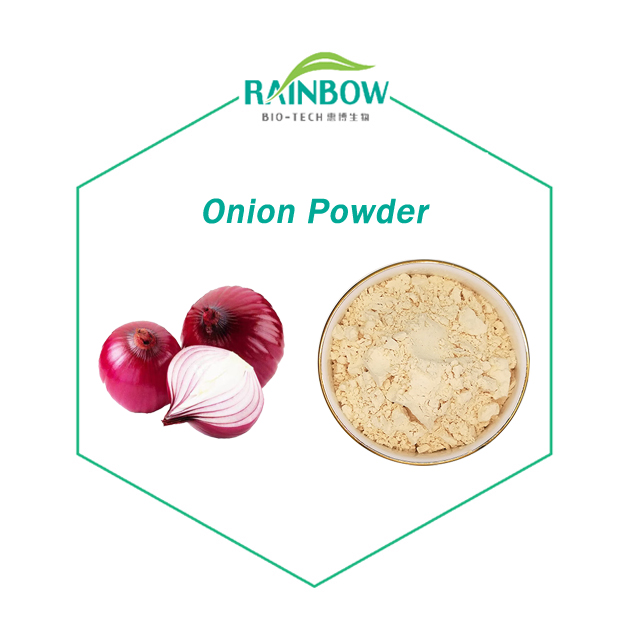
What Exactly Is Onion Powder, and How Is It Made?
At its core, onion powder is a finely ground product made from dehydrated onions, crafted to retain the natural flavor and aroma of fresh onions while removing moisture for long-term storage. Commercial production typically uses high-quality white, yellow, or red onions, which undergo one of several drying processes—including dehydration, freeze-drying, vacuum-shelf drying, or flow drying—to lock in flavor without compromising quality. After drying, the onions are ground into a fine powder, with some varieties undergoing toasting for a deeper, nuttier taste. Unlike onion salt, which combines onion powder with salt and often anti-caking agents, pure onion powder contains no additives, making it a clean-label option for flavor enthusiasts. Homemade versions are also possible, though commercial production ensures consistency in flavor and texture, thanks to automated sorting and testing of raw onions to maintain uniform taste profiles.
Why Choose Onion Powder Over Fresh Onions?
The biggest advantage of onion powder lies in its convenience and flavor concentration—two factors that have made it a favorite among home cooks and food manufacturers alike. Unlike fresh onions, which require peeling, chopping, and often lead to teary eyes, onion powder is ready to use straight from the container, eliminating prep time and cleanup. Its flavor is approximately ten times stronger than fresh onions, meaning a small amount goes a long way in enhancing dishes from soups and sauces to pizzas and grilled meats. Additionally, onion powder boasts an impressive shelf life: when stored in an airtight container in a cool, dry place, it can last up to two years, far longer than fresh onions, which spoil within 1-2 weeks. For outdoor enthusiasts, campers, or anyone short on space, its lightweight, compact form makes it ideal for on-the-go cooking, without the risk of bruising or mold buildup.
Is Onion Powder Nutritious, and Does It Offer Health Benefits?
While onion powder is primarily used as a flavor enhancer, it retains many of the nutritional benefits of fresh onions—with a few key differences. It is low in calories, with just 8 calories per teaspoon (2.4 grams), and contains essential nutrients like vitamin B6, manganese, and dietary fiber, along with antioxidants such as quercetin, which helps reduce oxidative stress and support heart health. Onion powder also offers anti-inflammatory properties, which can help reduce swelling and pain, as well as antibacterial and antifungal benefits that support immune function. While the drying process may reduce some heat-sensitive nutrients like vitamin C, it concentrates other beneficial compounds, making onion powder a convenient way to add nutrition to meals without extra prep. It is also suitable for vegan, vegetarian, and gluten-free diets, though those following a low-FODMAP diet should use it in moderation due to its high fructans content.
What Are the Latest Market Trends and Uses for Onion Powder?
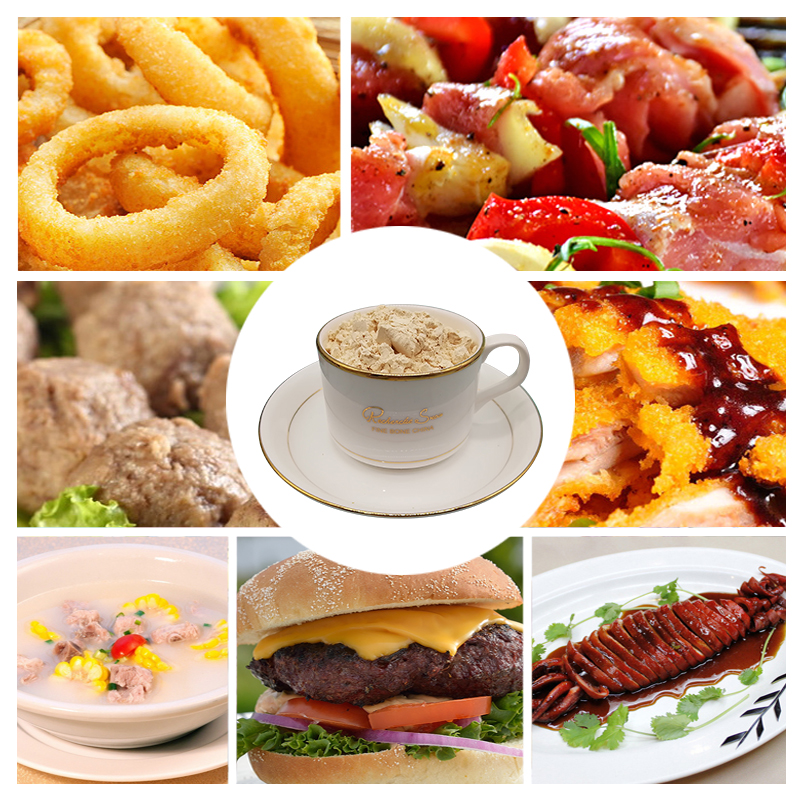
The global onion powder market is thriving, with a projected growth rate of 6.92% from 2025 to 2032, reaching $20.60 billion by 2032—driven by demand for convenient, long-shelf-life ingredients in processed foods, snacks, and ready-to-eat meals. Key trends include a rise in organic onion powder options, as consumers increasingly seek clean-label, additive-free products, and innovations in packaging (such as airtight, resealable containers) to extend shelf life and prevent caking. In terms of uses, onion powder is incredibly versatile: it is a key ingredient in seasoning mixes (like beau monde seasoning), meat rubs, and marinades, and is widely used in commercial food production for soups, salad dressings, and snack foods. It also pairs seamlessly with other spices, enhancing the flavor of meats, roasted vegetables, and potato dishes, making it a must-have in both home and professional kitchens. With stable pricing expected in 2025 and growing export opportunities from key producers like India, the U.S., and China, onion powder is poised to remain a cornerstone of global flavor profiles for years to come.
As the demand for convenient, flavorful, and nutritious ingredients continues to grow, onion powder stands out as a versatile solution for modern cooking. Whether you’re a home cook looking to save time, a food manufacturer aiming to maintain consistent flavor, or a health-conscious consumer seeking to add nutrients to your meals, onion powder delivers on all fronts—proving that great flavor doesn’t have to be complicated. With its long shelf life, concentrated taste, and wide range of uses, it’s no wonder onion powder is becoming an essential pantry staple worldwide.
Contact:Tony Zhao
Mobile:+86-15291846514
WhatsApp:+86-15291846514
E-mail:sales1@xarainbow.com
Post time: Apr-21-2026