
Aloin is a natural anthraquinone compound extracted from aloe vera plants, with a chemical CAS number of 1415-73-2. It is commonly found in the yellow latex of aloe vera leaves. As an organic chemical intermediate, aloin exists in crystal or powder form with high purity (such as a content of 99%) and needs to be stored in a cool, dry, and ventilated environment to maintain stability. Its core characteristics include strong biological activity and multi scenario adaptability, which are widely used in industry, scientific research, and health fields.
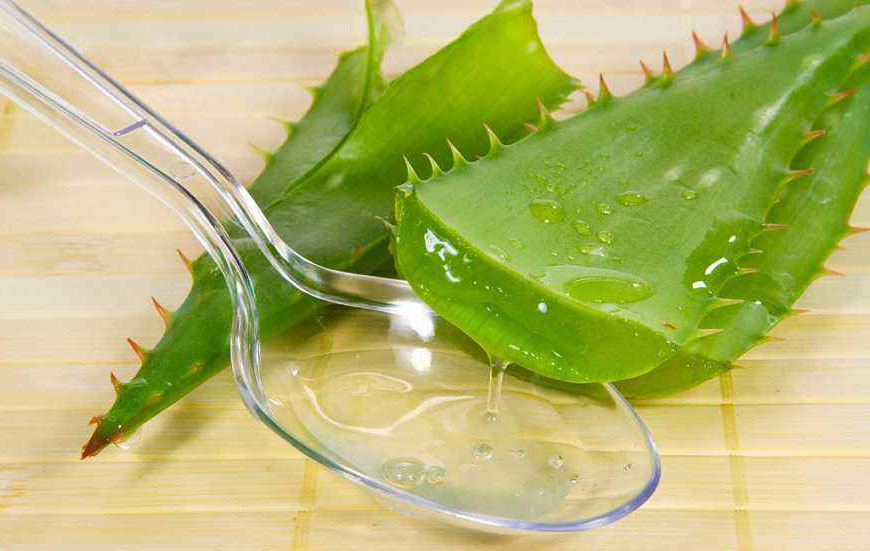
From a chemical structure perspective, aloin belongs to anthraquinone derivatives, and the hydroxyl and carbonyl groups contained in its molecules endow it with antioxidant, anti-inflammatory, and antibacterial abilities. In the industrial field, it is often used as a raw material for the synthesis of dyes, fragrances, or pharmaceutical intermediates, such as generating aloe emodin with hemostatic function through reduction reaction. In scientific research settings, aloin is used in cell experiments or pharmacological studies due to its controllable purity (GC/HPLC detection), such as exploring its effects on gut microbiota or its potential value as a photosensitizer in photodynamic therapy. In addition, its natural source characteristics also conform to the trend of green chemistry, extracted through enterprise standard processes to reduce chemical residues.
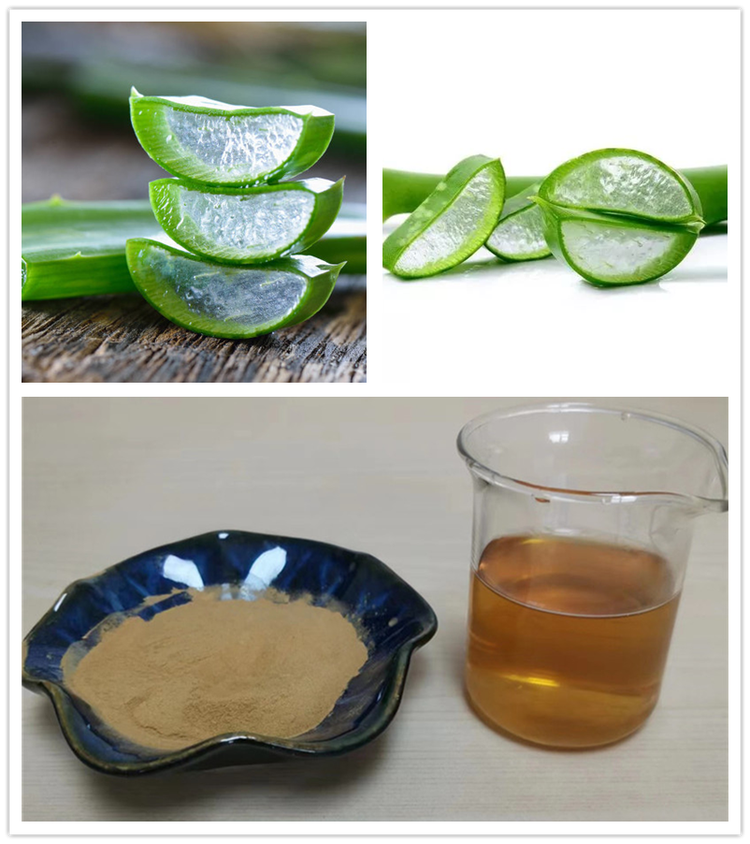
The biological activity of aloin in health-related applications has attracted attention. Studies have shown that moderate intake of aloe vera glycosides may help alleviate inflammation by regulating immune responses, but its strong irritant properties should also be noted – high concentrations may cause accelerated intestinal peristalsis or skin allergies. Therefore, industrial grade aloe vera glycosides are mostly used in scenarios where they do not come into direct contact with the human body, such as preservatives in cosmetics or functional additives in daily chemical products; Research level focuses on mechanism studies, such as verifying metabolic pathways or toxicity thresholds through animal experiments. The storage process must strictly follow cool and dry conditions to avoid structural decomposition caused by light exposure, which may affect the subsequent application effect.
Contact:
Serena Zhao
WhatsApp&WeChat :+86-18009288101
E-mail:export3@xarainbow.com
Post time: Jul-31-2026